Menelik Palace

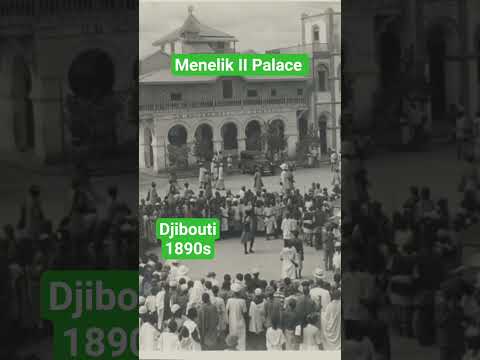
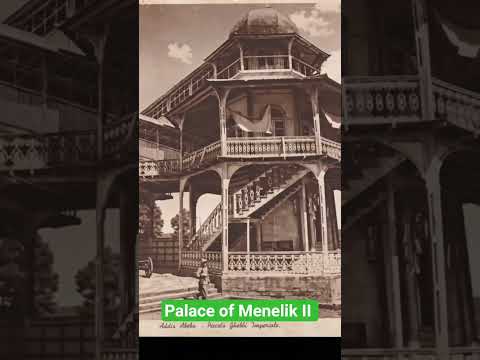
The Menelik Palace, historically known as the Great Ghebbi or Imperial Palace, is a sprawling 36-hectare compound located in Addis Ababa, Ethiopia. Construction of this significant site began in 1890 under Emperor Menelik II, serving as the primary seat of power for successive Ethiopian emperors. The architectural complex is not a single structure but a collection of diverse residences, banquet halls, chapels, and administrative buildings. Notable structures within the grounds include the massive Gibr Adarash banquet hall, used for imperial feasts and state occasions, and several important religious sites such as the Ta'eka Negest Ba'eta Le Mariam Monastery. This specific church functions as a royal mausoleum, housing the remains of Emperor Menelik II, Empress Taitu, and their daughter Empress Zewditu.
Throughout its history, the palace has witnessed dramatic shifts in purpose reflecting Ethiopia's turbulent political landscape. During the regime of Mengistu Haile Mariam from 1977 to 1991, parts of the grounds were notoriously utilized as a prison for high-ranking officials of the previous imperial government, including Emperor Haile Selassie himself. The site also saw the construction of the Shengo Hall for the legislature and a presidential office during this era. In more recent decades, it continued to serve executive functions, including the development of a new residence for Prime Minister Meles Zenawi in 2010. Despite these modern additions, the core historical integrity of the imperial era remains central to the site's identity.
Today, the Menelik Palace has undergone a major transformation following a large-scale restoration project initiated in 2018. Reopened to the public in 2019 as Unity Park, the compound now operates as a museum and cultural heritage site while still containing the official offices and residence of the Prime Minister of Ethiopia. This dual use allows visitors to explore the rich history of the Ethiopian monarchy, view the refurbished gardens, and examine the unique blend of traditional and modern architecture. The site stands as a testament to the nation's evolution from an imperial powerhouse to a modern republic, preserving key artifacts and buildings that define centuries of Ethiopian history.
Videos


Details
- Year Built
- 19th century
- Location Text
- Addis Ababa