Harar

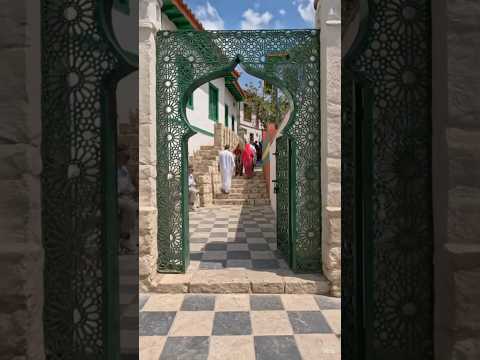
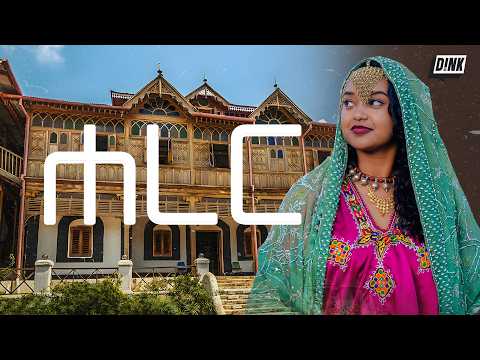
Harar is a historic walled city located in eastern Ethiopia, serving as the capital of the Harari Region. Situated on a hilltop in the Horn of Africa, this ancient settlement is famously known as the City of Saints due to its deep spiritual heritage and the presence of numerous shrines within its boundaries. While the provided text does not specify an exact year of construction, Harar is recognized globally as one of the few cities that has retained its original defensive walls, earning it a distinct classification among world heritage sites. The architecture reflects a unique blend of indigenous Harari design and Islamic influences, characterized by narrow winding streets, colorful houses, and significant religious structures such as the Jamia Mosque and various churches dedicated to figures like Ras Tafari and Selassie.
The historical significance of Harar lies in its long-standing role as a major center for Islamic culture and trade in the region. For centuries, it functioned as a crucial hub connecting the Ethiopian highlands with the lowlands and the coast, facilitating the exchange of goods, ideas, and religious traditions. The city's layout, enclosed by massive stone walls built in earlier centuries, was designed to protect its inhabitants and preserve its distinct cultural identity against external forces. This fortified structure remains a defining feature of the cityscape today, offering visitors a glimpse into a preserved past where traditional ways of life continue alongside modern administration under leaders like President Ordin Bedri.
Currently, Harar stands as a vibrant living city with a population recorded at nearly 100,000 people in 2007. It maintains its status as an administrative capital while simultaneously acting as a cultural treasure trove. The condition of the city reflects a continuous habitation where historical buildings are not merely ruins but active homes, mosques, and community spaces. Its enduring legacy attracts scholars and tourists interested in its unique synthesis of African and Islamic histories. The survival of its ancient gates and the persistence of its local language and customs highlight Harar's resilience, making it an exceptional example of a historic urban environment that has successfully navigated the changes of time without losing its soul.
Videos


Details
- Year Built
- 13th to 16th century
- Location Text
- Harari Region