Guenete Leul Palace

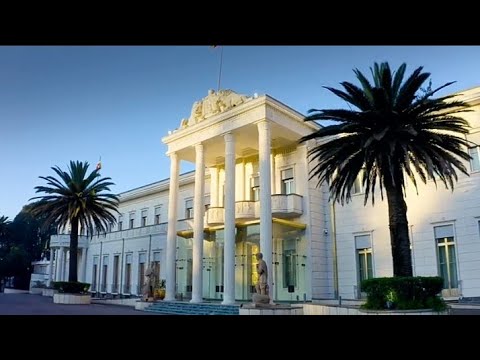
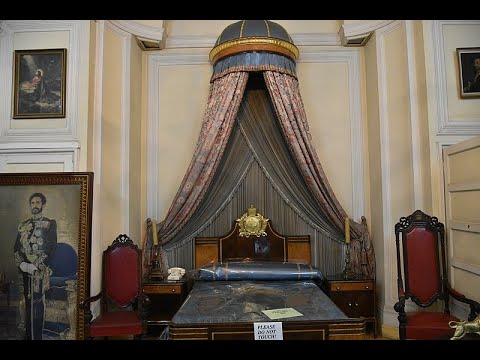
Guenete Leul Palace, translating to "Paradise of Princes," is a historic royal residence located in Addis Ababa, Ethiopia. Commissioned by Emperor Haile Selassie, the structure was completed in 1930 with construction continuing until 1932. Designed to serve as the primary home for the Emperor and his family, it replaced the older Menelik Palace for residential purposes, although the latter remained the official seat of government. The palace quickly gained international prominence, hosting distinguished guests such as Crown Prince Gustaf Adolf of Sweden during a state visit in 1935. Its architectural presence marked a significant era of modernization and imperial grandeur in early twentieth-century Ethiopia.
The building holds profound historical significance due to its central role during turbulent political periods. Following the Italian conquest in 1936, it served as the residence for Italian viceroys, including Rodolfo Graziani. The palace gardens were the site of a notorious 1937 dynamite attack against Graziani, an event that triggered the violent Yekatit 12 reprisals. After Haile Selassie's restoration in 1941, he returned to the palace until a failed coup attempt in 1960 resulted in bloodshed within its halls. Following this instability, the Emperor moved to the Jubilee Palace and donated the property to Addis Ababa University.
Today, the structure is known as Ras Makonnen Palace, honoring the Emperor's father. It has been repurposed as the Ethnographic Museum and initially housed the Institute of Ethiopian Studies library. While the main building preserves its heritage as a cultural institution, the extensive grounds have been developed with university facilities, including student dormitories, laboratories, and additional libraries. This transformation ensures the site remains a vibrant center for education and historical preservation within the capital city.
Videos

Details
- Year Built
- 20th century
- Location Text
- Addis Ababa