Fasil Ghebbi

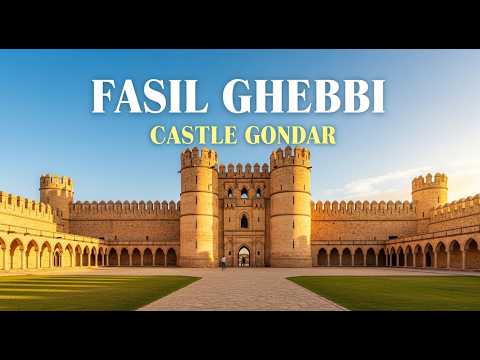
Fasil Ghebbi is a historic fortress complex located in the city of Gondar within the Amhara Region of Ethiopia. Founded in 1645 by Emperor Fasilides, it served as the primary residence for Ethiopian emperors during the Gondarine period, marking a significant shift from the earlier tradition of rulers living in mobile tent camps. The name Ghebbi derives from the Amharic word for a compound or enclosure. This site represents the establishment of Gondar as a permanent imperial capital, ending centuries of itinerant monarchy and solidifying the city's status as a political and cultural hub.
The architectural style of the complex is renowned for its unique synthesis of diverse influences, blending local Ethiopian traditions with Portuguese, Hindu, Arab, and Baroque elements introduced by Jesuit missionaries. Enclosed by a 900-meter-long wall, the site contains numerous structures including Fasilides' castle, the palace of Iyasu I, Dawit III's Hall, Empress Mentewab's castle, stables, a chancellery, and three distinct churches. This fusion of styles created a distinctive aesthetic that sets the fortress apart from other African historical sites, showcasing the global connections of the Ethiopian empire during the 17th and 18th centuries.
Recognized for its outstanding universal value, Fasil Ghebbi was inscribed as a UNESCO World Heritage Site in 1979 under cultural criteria. It remains one of the most important historical landmarks in Africa, preserving the legacy of the Solomonic dynasty. In recent years, specifically noted in 2025, the complex has undergone significant preservation and restoration efforts to ensure its structural integrity and to revitalize the surrounding city of Gondar. Today, it stands as a testament to Ethiopia's rich imperial history and continues to be a major destination for historical tourism and cultural study.
Videos



Details
- Year Built
- 17th century
- Location Text
- Gondar