Rosenborg Castle

Rosenborg Castle is a Renaissance castle located in Copenhagen, Denmark, originally constructed as a royal summerhouse beginning in 1606. Built by architects Bertel Lange and Hans van Steenwinckel the Younger under the commission of King Christian IV, the castle exemplifies the Dutch Renaissance architectural style prevalent in Denmark during that period. The structure was completed and evolved into its present form by 1624, representing one of Christian IV's significant architectural achievements. The castle's distinctive design reflects the aesthetic preferences of the Danish monarchy during the Renaissance era.
The castle served as a royal residence for Danish regents until approximately 1710, after which it saw limited use as a primary royal dwelling. It was briefly reoccupied during emergencies, including after the 1794 fire at Christiansborg Palace and during the British attack on Copenhagen in 1801. Today, Rosenborg Castle functions as a museum open to the public and houses the Royal Collections. The castle's interior features notable attractions including the Long Hall, completed in 1624 and originally designed as a ballroom, which showcases coronation chairs, royal thrones with three silver lions, and an extensive collection of 17th-century silver furniture. The hall's elaborate stucco ceiling displays the Danish Coat of Arms and represents significant historical events from the reign of Frederik IV.
Videos
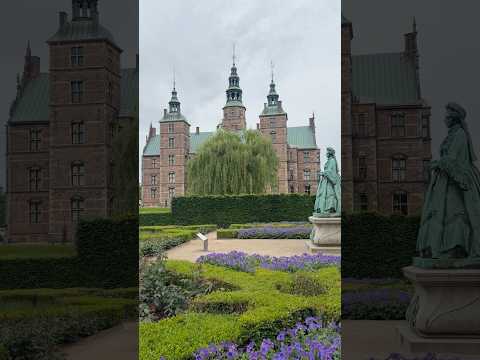
Rosenborg Castle in Copenhagen #denmark 17th-century #dutch #renaissance #travel #europe #history
👑 Inside Rosenborg Castle Copenhagen 🇩🇰 | Crown Jewels, Metro, Danish Currency & Complete Tour
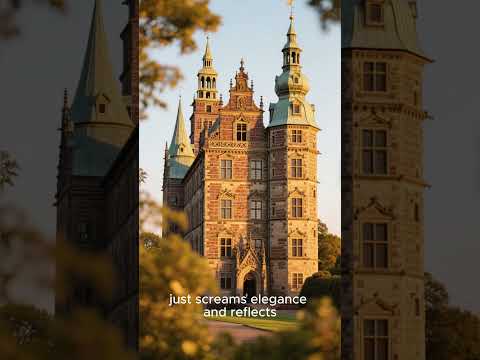
Rosenborg Castle Denmark | Home of the Danish Crown Jewels | Documentary

Rosenborg Castle: The Pleasure Palace of King Christian IV 👑✨
Details
- Location Text
- and Castle Gardens