Copenhagen Castle

Copenhagen Castle was a historic royal fortress situated on the islet of Slotsholmen in central Copenhagen, Denmark. Constructed in the late 14th century, it rose upon the earthworks covering the ruins of Bishop Absalon's earlier fortress, which had been demolished by the Hanseatic League in 1369. The structure featured a protective curtain wall, a substantial moat with an inner diameter of approximately fifty meters, and a large solid tower serving as the entrance gate. Although originally property of the Diocese of Roskilde, King Eric of Pomerania seized control in 1417. The castle gained immediate historical prominence during the Dano-Hanseatic War when Queen Philippa of England successfully led its defense against a Hanseatic bombardment in 1428.
From the mid-15th century onward, the site evolved into the primary residence of the Danish monarch and the central hub of national government. Over the centuries, various rulers expanded and modified the complex. King Christian IV notably added a spire to the main entrance tower, which became known as the Blue Tower and later acquired a notorious reputation as a prison. The castle also housed significant cultural assets, including a chapel equipped with a major organ built by Hermann Rodensteen in 1556. Despite its importance as a seat of power for hundreds of years, the original structure was ultimately demolished in 1731 to make way for new developments.
Today, no physical traces of Copenhagen Castle remain above ground, as the site is now occupied by the Christiansborg Palace. However, its legacy endures through archaeological ruins located beneath the current palace, which are accessible to the public. The location continues to serve as the heart of Danish political life, housing the Parliament, while the memory of the medieval and Renaissance fortress persists in historical records and illustrations from the 17th and 18th centuries.
Videos
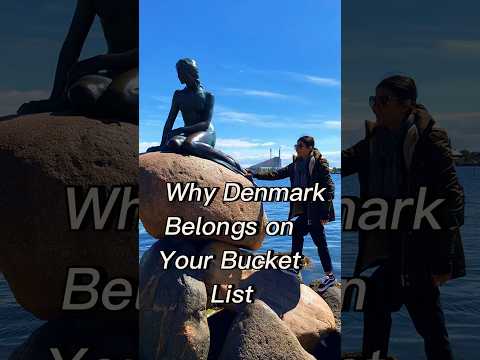
Denmark Travel Guide 🇩🇰 | Best Places to Visit in Copenhagen, Castles & Viking History
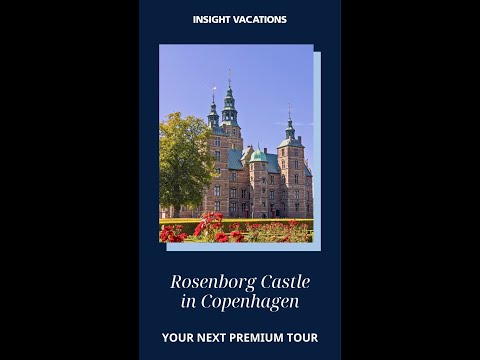
This Castle in Copenhagen is One of the World's Best-Preserved Renaissance Castles 🇩🇰
Exploring royal castles in Copenhagen, Expat Explore Travel 🇩🇰
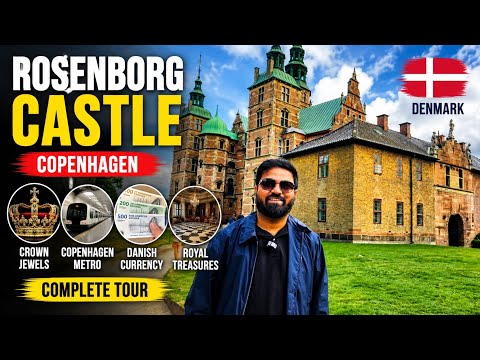
👑 Inside Rosenborg Castle Copenhagen 🇩🇰 | Crown Jewels, Metro, Danish Currency & Complete Tour