Kantara CastleΚάστρο της Καντάρας / Kantara Kalesi

Kantara Castle is a medieval fortress located in the Kyrenia Mountains of Cyprus, currently situated within the area controlled by Northern Cyprus. While the exact construction date remains unknown, historians generally attribute its origins to the Byzantine period, with theories ranging from 965 to 1096 AD following various regional conflicts. The structure uniquely combines Byzantine and Frankish architectural elements, reflecting the island's complex history of rule. Along with Buffavento and Saint Hilarion castles, it formed a strategic protective axis where signal fires were used to communicate across the mountain range. The castle's name is derived from the Cypriot Arabic word kandak, meaning stone bridge.
Throughout its active history, the site served as a watchtower against pirate raids, an administrative center, and a place of incarceration, yet it witnessed surprisingly little direct combat. Notable events include its capture by Richard the Lionheart in 1191 and a significant siege in 1229 during the War of the Lombards, where Ibelin forces utilized trebuchets before the garrison surrendered. Later, in 1373, the fortress played a pivotal role when Prince John of Antioch used it as a base to launch a successful counter-offensive that expelled invading Genoese forces from the island.
The castle eventually fell into disuse, becoming derelict in 1525 and was officially dismantled in 1560. Today, the site exists in ruins, having given its name to the nearby Kantara Monastery. Despite its demolition centuries ago, the remaining fragments stand as a testament to the military ingenuity of the Byzantine and Lusignan eras. Its position high in the mountains continues to offer commanding views of the surrounding landscape, marking it as a historically significant, albeit destroyed, component of Cyprus's defensive network.
Videos

Circular hike at Kantara Castle in North Cyprus #hiking #travel ‖ Ester Beatty
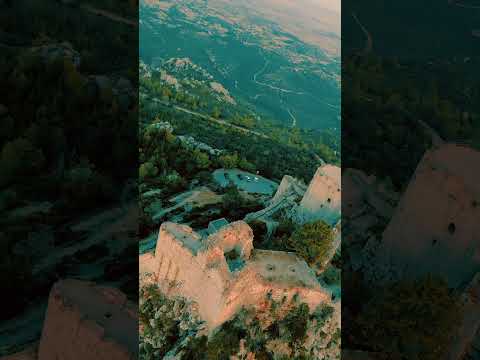
🏰 Kantara Castle — Where History Meets the Horizon

ANKARA KALESI - Türkiye 🇹🇷 4K Walking Tour | Ankara Castle Full Walk | City Tour | Virtual Tour
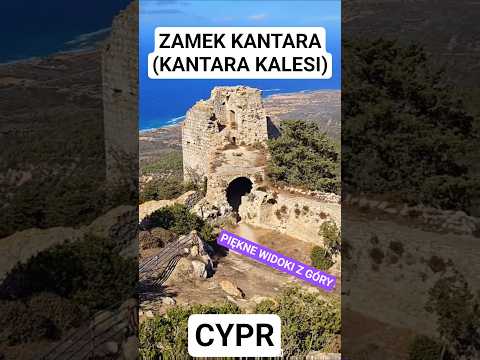
Kantara Castle 🏰 in Cyprus - panoramic views & walk through the ruins | #Cyprus #KantaraCastle #4K
Details
- Century Built
- 10th century
- Location Text
- Famagusta(İskele)