Othello CastleΚάστρο της Oθέλλου / Othello Kulesi

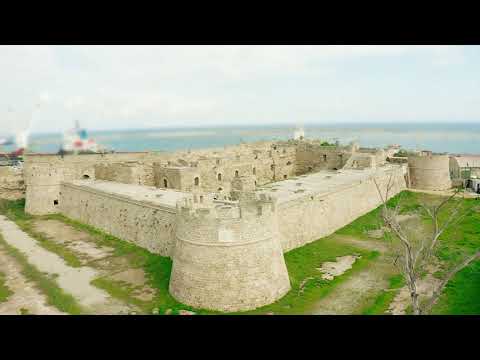
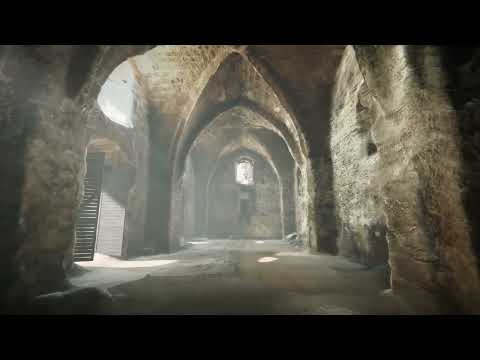
Othello Castle, also known as Othello's Tower, is a fortification located in Famagusta in eastern Cyprus. Built during the 14th century by the Lusignans who ruled the Kingdom of Cyprus, the castle was originally constructed to protect the port from enemy attacks and served as the main entrance to the city. Its design featured deep defensive ditches that made it nearly impossible to assault, earning it the reputation of an "impenetrable fortress." The castle was constructed primarily from sandstone and remains in intact condition today.
When Cyprus came under Venetian control, the castle underwent significant modifications in the late 15th century. The Venetians replaced the original square towers with circular ones to accommodate more advanced artillery of the era. A relief of the Lion of St Mark was carved above the main entrance, with an inscription crediting Captain Nicolo Foscari and dated 1492. According to historical records, Leonardo da Vinci advised on the refurbishment in 1481. The castle's name derives from Shakespeare's play Othello, which references a Cypriot seaport.
In 1900, the surrounding ditch was drained to reduce malaria risk. After restoration work began in 2014, the castle reopened to the public on July 3, 2015, allowing visitors to explore this historically significant structure that bridges medieval and Renaissance military architecture. The castle remains an important part of Famagusta's fortifications and a notable landmark reflecting Cyprus's complex historical heritage.
Videos


Details
- Century Built
- 14th century
- Location Text
- Famagusta(Gazimağusa)