Turku Castle

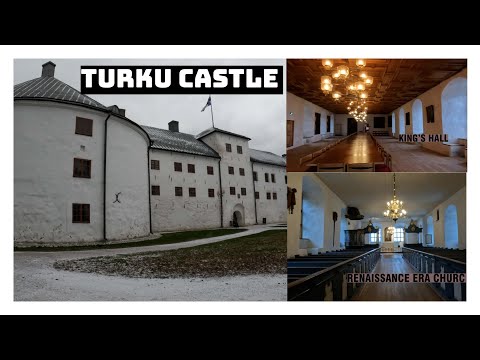
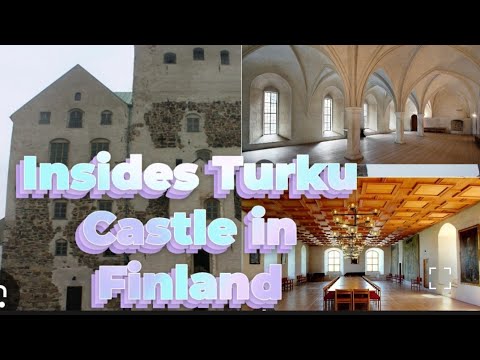
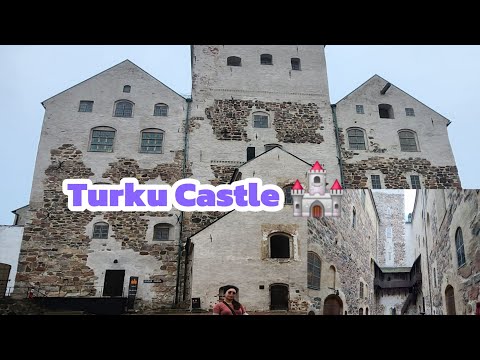
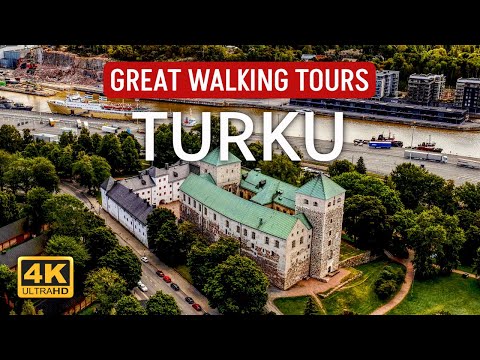
Turku Castle, known locally as Turun linna or Åbo slott, is a prominent medieval fortress located in the city of Turku, Finland. Situated on the banks of the Aura River at Linnankatu 80, it stands as the largest surviving medieval building in the country. Construction of the initial fortification began around 1280 by Swedish forces serving as a military outpost and defensive structure. Over the subsequent two centuries, the site was significantly expanded with bolstered defenses and residential quarters. Alongside Turku Cathedral, it remains one of the oldest buildings still in use within Finland, representing a crucial link to the nation's early history and architectural heritage.
Historically, the castle served as the administrative center for the region then known as Österland and later for all of Finland until the early 19th century. It played a pivotal role in regional power struggles involving Sweden and the Kalmar Union, enduring multiple sieges and battles throughout its existence. The structure reached its peak prominence during the mid-16th century under the reign of Duke John of Finland and Catherine Jagellon, when the main sections were considerably extended following Gustav Vasa's ascension to the Swedish throne. Although it lost its status as an administrative hub in the 17th century, the castle remains an iconic symbol of the city and a testament to centuries of political and military evolution in the Baltic region.
Today, Turku Castle functions primarily as Finland's most visited museum, attracting well over 100,000 visitors annually who come to explore its rich interior and historical exhibits. While largely dedicated to tourism and education, some rooms within the complex are still utilized for various municipal functions. The western end of the castle, often viewed from the Port of Turku, is particularly renowned as a visual landmark. Its preservation ensures that this ancient bastion continues to serve the public, bridging the gap between its origins as a 13th-century fortress and its modern role as a cultural centerpiece.
Videos
Details
- Condition
- Largely restored
- Year Built
- 1280
- Location Text
- Turku