Kuusisto Castle

Kuusisto Castle, known locally as Kuusiston piispanlinna or Kustö biskopsborg, was a significant medieval episcopal castle located on the island of Kuusisto in Kaarina, Finland, near the city of Turku. Although the site likely served as a bishop's residence as early as the 1290s, the actual stone castle was probably constructed during the early 14th century. As one of the few castles in Finland built specifically for a bishop rather than a secular ruler or military commander, it held unique historical importance as an administrative and religious center for the region during the Middle Ages.
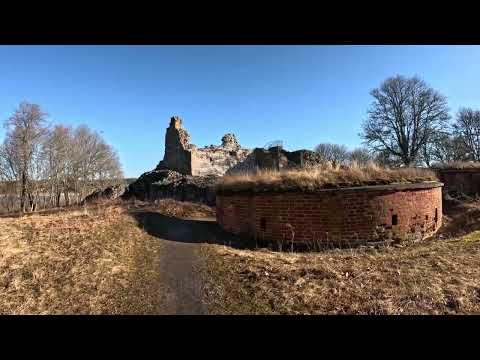
The castle's active life ended abruptly during the Protestant Reformation when King Gustav I of Sweden ordered its demolition in 1528. Following this destruction, the structure fell into ruin and remained largely untouched for centuries until archaeological excavation and reconstruction efforts commenced in 1891. These works helped uncover the layout of the former fortress, revealing details about its inner yard and various rooms that had been lost to time. Today, the site exists as well-preserved ruins that offer visitors a glimpse into Finland's ecclesiastical past and medieval architectural history.
Currently, the location serves as a historical landmark and tourist attraction where guests can walk through the excavated foundations and view the remaining stone structures. The ruins provide an open-air experience of the castle's original scale and design, situated at Linnanrauniontie 633 in Kaarina. While no standing walls reach their original height, the preserved foundations and reconstructed elements allow historians and visitors alike to visualize the former grandeur of this important bishop's seat before its deliberate destruction in the 16th century.
Videos


Details
- Condition
- Mostly ruined
- Year Built
- 1400
- Location Text
- Kaarina