Skrøbelev Gods

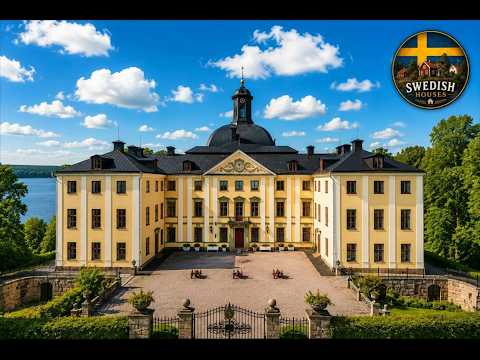
Skrøbelev Gods, also known as Skrøbelev Manor, is a historic estate situated on the island of Langeland in southern Denmark. Originally constructed in 1669 under the name Skrøbelevgård, the property has served as a traditional manor house for over three centuries before adopting its current name in 2007. The architectural complex features a prominent main building that encloses a large courtyard, complemented by green meadows, a cascading fountain, and a protective moat crossed by a bridge leading to the local church. The grounds are notably inhabited by strutting peacocks and include six horse stables, creating a picturesque setting that blends historical grandeur with natural beauty.
In recent years, the manor house has undergone extensive renovation to preserve its structural integrity and historical charm. Today, it functions primarily as a premier venue for weddings and various celebrations, drawing visitors who appreciate its restored Knights Hall and dining areas. The estate has also become a popular destination for eco-tourists and anglers, capitalizing on Langeland's unique geography as a narrow strip of land surrounded by water. This dual focus on event hosting and nature tourism ensures the property remains an active and vibrant part of the local community while maintaining its status as a significant cultural landmark in the Region of Southern Denmark.
Beyond its architectural and recreational appeal, Skrøbelev Gods holds a distinct place in local folklore due to a grim historical event. The area was the site of the last execution on the island of Langeland in 1834, when Niels Arent was beheaded. Although he was buried in the nearby cemetery, persistent rumors suggest his spirit never found peace, with many locals claiming to have seen his ghost haunting the graveyard at night. This eerie legend adds a layer of mysterious historical significance to the estate, distinguishing it from other manors in the region and attracting those interested in Denmark's darker past alongside its aristocratic heritage.