Egeskov Castle

Egeskov Castle, known locally as Egeskov Slot, is situated near Kværndrup in the south of Funen, Denmark. Completed in 1554 by Frands Brockenhuus, it stands as Europe's best-preserved Renaissance water castle. The structure was erected during a turbulent era marked by the Count's Feud and the Protestant Reformation, prompting Danish nobility to build fortified residences for protection. True to its defensive purpose, the castle rests on deep oak piles within a small lake, a foundation so extensive that legend claims an entire forest was consumed to build it, giving the estate its name, which translates to "oak forest." Originally, the only access point was a drawbridge, emphasizing its role as a secure stronghold.
Architecturally, the building presents a unique blend of styles, featuring a Late Gothic exterior that houses interior elements showcasing early Renaissance design. Its most distinct structural feature is a thick double wall connecting two long buildings, which allowed defenders to retreat from one section to another while continuing to fight. This massive wall contains secret staircases, a water well, and various medieval defenses such as arrow slits and scalding holes. The castle also boasts innovative early indoor plumbing with vertical waste shafts, representing some of the first such systems used in Europe. The construction utilizes oversized medieval bricks and features conical towers built in separate panels.
The estate has remained in noble hands for centuries, belonging to the Bille-Brahe family since 1784 before passing to the Ahlefeldt-Laurvig-Bille counts in 1882, who still own the property today. Inside, the castle preserves significant historical artifacts, including a massive iron chest dating back to at least the sixteenth century and numerous oil paintings. As a remarkably intact example of military and domestic architecture from the mid-16th century, Egeskov Castle serves as a vital historical landmark, offering insight into the defensive strategies and luxurious living standards of the Danish nobility during the Renaissance period.
Videos

HISTORIA DEL CASTILLO DE EGESKOV / HISTORY OF EGESKOV CASTLE
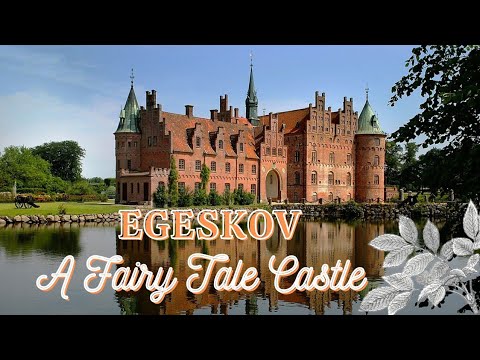
Egeskov Castle In Funen, Denmark | Egeskov Castle Tour | Renaissance Water Castle
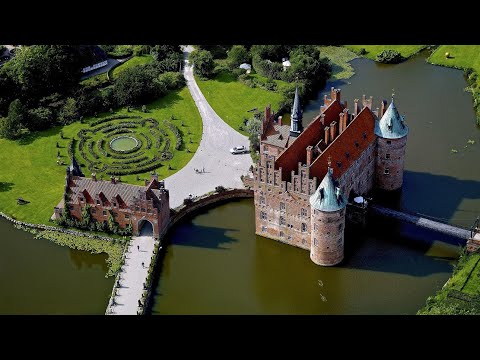
Egeskov Castle, Denmark 🇩🇰 Europe's best preserved Renaissance water castle. (Part 1)
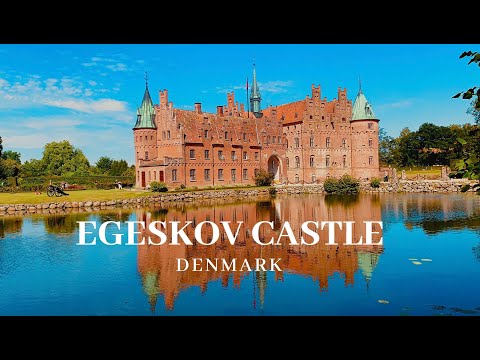
Egeskov Castle Denmark | Visiting Egeskov Castle In Denmark | Inside View of the Castle