Lihula Castle

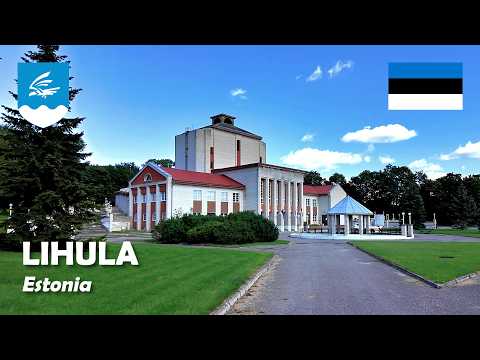
Lihula Castle, located in the town of Lihula within Pärnu County, Estonia, stands as a site of profound historical layering. Although first mentioned in written records in 1211, archaeological evidence suggests the location served as a fortress since the Iron Age. The site witnessed early conflict when a Swedish army began construction in 1220, only to be defeated by Estonian forces at the Battle of Lihula shortly thereafter. A more permanent structure was established in 1238 when the Bishop of Saare-Lääne, cooperating with the Teutonic Order, constructed a crusader fortress. This stronghold subsequently became a key residence for the bishop and served as the administrative center for the Teutonic Order's commandry from 1241 until 1477.
The original medieval castle was ultimately destroyed during the Livonian War in 1560. Following this destruction, a new manorial estate emerged adjacent to the ruins. Recorded as property of the Swedish general Åke Tott in the 1630s, the estate passed through various aristocratic families over the centuries. The current manor house, which defines the site's architectural character today, was built in the early 19th century in the Neoclassical style. Today, visitors can observe the ruins of the medieval stronghold alongside the later manor structures, offering a physical timeline of the region's turbulent history from the crusades to the modern era.
Beyond its architectural evolution, Lihula holds significant ecclesiastical history, having served as the see for the Roman Catholic Diocese of Leal starting in 1211 before the seat was moved in 1235. The town also gained brief notoriety in the 21st century regarding the Monument of Lihula, which honored Estonian soldiers who fought against the Soviet Union during World War II. Erected for less than two weeks, the controversial monument was removed by government order and relocated to a private museum near Tallinn in 2007, adding a complex modern chapter to the site's long narrative.
Videos

Details
- Location Text
- Lihula