Haapsalu Castle

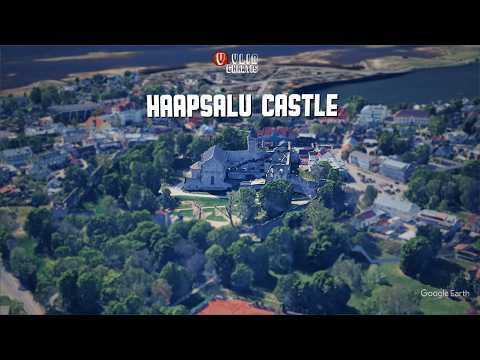
Haapsalu Castle, also known as Haapsalu Episcopal Castle, is a historic fortress located in the coastal town of Haapsalu, Estonia. Founded in the thirteenth century, it served as the primary residence and administrative center for the Bishopric of Ösel-Wiek. The construction of this massive stronghold began after the diocese moved from previous locations in Lihula and Pärnu to avoid regional conflicts. Unlike many fortifications built in a single phase, Haapsalu Castle was expanded and reconstructed continuously over three centuries. Its architecture evolved alongside military technology, eventually covering an area of more than 30,000 square meters with walls reaching up to ten meters in height and nearly two meters in thickness by the early sixteenth century.
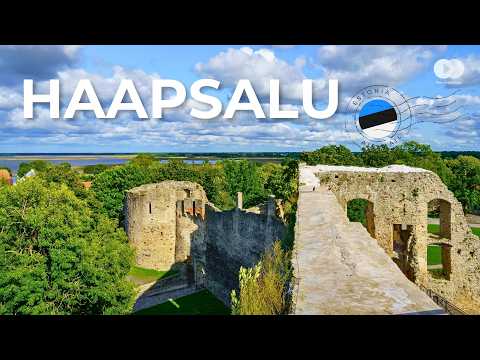
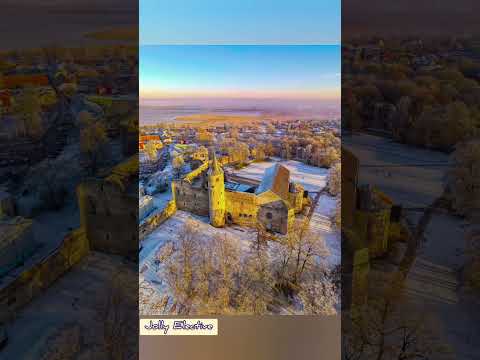
The site holds significant historical importance as a former state of the Holy Roman Empire and later a strategic point during the Livonian War and the Great Northern War. During the seventeenth century, Swedish rulers ceased using the castle for defense, and following the Russian conquest in 1710, Tsar Peter I ordered partial demolition of the walls, leaving the structure in ruins. Despite this destruction, key features remain, including a thirteenth-century watchtower that was later converted into a bell tower and inner trenches originally designed for cannon defense. The complex notably includes the St. Nicholas Cathedral, which stands within the castle grounds.
Today, Haapsalu Castle exists as a well-preserved ruin and a major cultural landmark. It is renowned not only for its medieval architecture but also for a persistent local legend concerning the White Lady. According to folklore, the ghostly image of a maiden appears on the inner wall of the cathedral chapel during full moons in August. This unique blend of tangible history and mystical tradition makes the castle a popular destination for tourists interested in Estonian heritage and medieval history.
Videos
Details
- Location Text
- Haapsalu