Koluvere Castle

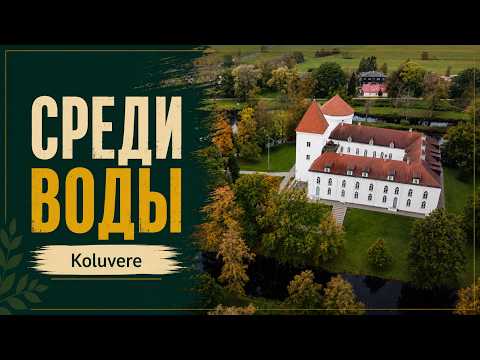
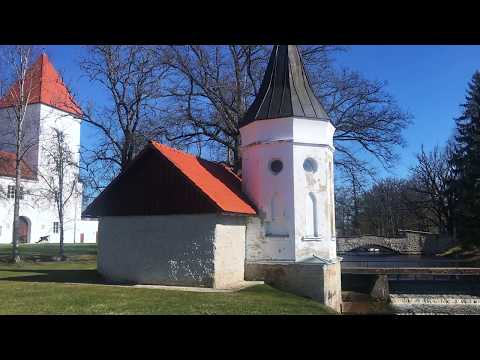
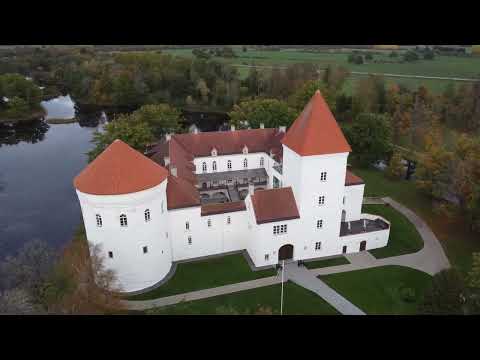
Koluvere Castle, also known as Koluvere Episcopal Castle, is a historic fortress located in Koluvere within Lääne County in western Estonia. Originally constructed in the 13th century on a strategic site, the structure evolved significantly over time. By 1439, it became a primary residence for the Bishop of Saare-Lääne, serving as an important ecclesiastical stronghold. The castle witnessed significant military conflict during the Livonian War, specifically hosting the nearby Battle of Lode in 1573 where Swedish forces defeated a larger Russian army. It also faced threats from local peasant uprisings in the mid-16th century before eventually losing its military importance.
Following the medieval era, the property transitioned into an aristocratic residence under the von Löwen family from 1646 to 1771. Its history took a dramatic turn when it passed to Grigory Orlov and subsequently Empress Catherine the Great. In 1786, the Empress utilized the castle as a place of exile for Duchess Augusta of Brunswick-Wolfenbüttel, who sought protection from her abusive husband. The Duchess died there under mysterious circumstances at the young age of twenty-three, inspiring enduring local folklore. Her grave remains in the nearby Kullamaa church. In 1797, Emperor Paul I gifted the estate to General Friedrich Wilhelm von Buxhoeveden, whose family retained ownership until 1919.
In the modern era, the castle served various welfare institutions between 1924 and 2001. While the specific current condition or public access status is not detailed in the available records, the site stands as a testament to centuries of Estonian history. From its origins as a bishop's seat and military outpost to its role as a tragic setting for royal exile and later social care facility, Koluvere Castle represents a layered narrative of religious power, aristocratic life, and imperial influence in the Baltic region.
Videos
Details
- Location Text
- Koluvere