Tratzberg Castle

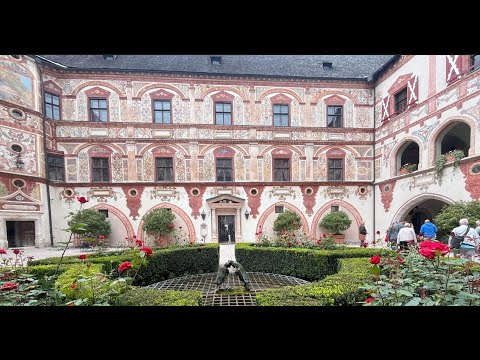
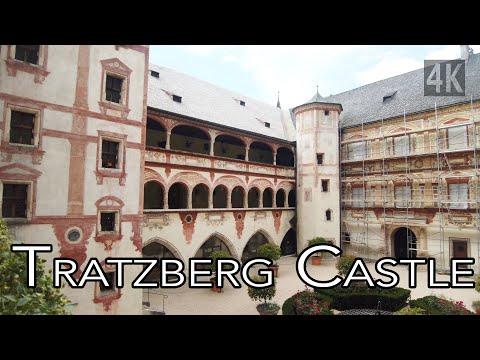
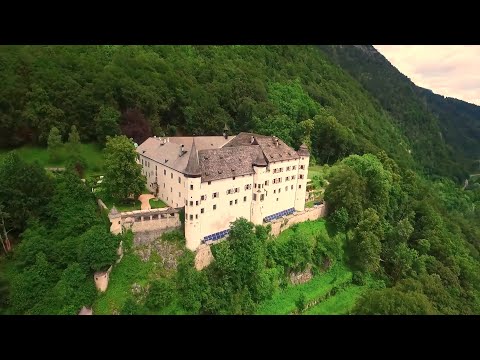
Tratzberg Castle stands majestically on a steep ridge above Jenbach in Tyrol, Austria, serving as a premier example of alpine palace architecture from the late Gothic and early Renaissance periods. Although chronicles first mentioned a fortress at this site in 1296, the current structure was largely constructed starting in 1500 by brothers Veit-Jakob and Simon Tänzl. These wealthy commoners, who made their fortune in local silver mining, rebuilt the estate after a fire destroyed the previous ruin in 1490. Emperor Maximilian I had granted them the land in exchange for another property, and the brothers rapidly erected a magnificent three-storey, four-wing complex featuring courtyards, arcades, and intricate details crafted from Hagauer marble.
The castle holds significant historical value due to its association with prominent European families, including the Augsburg knight Georg von Ilsung and the legendary Fugger merchant dynasty, who inherited the property in 1589. Despite suffering looting by Bavarian soldiers during the Napoleonic Wars in 1809, the estate remained remarkably intact. In 1847, the Enzenberg family acquired Tratzberg through inheritance, initiating extensive restorations to return it to its former glory. Today, it is owned and inhabited by Count Ulrich Goëss-Enzenberg and his wife, who continue to preserve the building while opening its doors to the public as a museum.
Visitors to Tratzberg can explore one of the best-preserved castles in Austria, which retains many original furnishings and fittings that illustrate the transition from Gothic to Renaissance styles. The interior boasts priceless artifacts, including a late Gothic cupboard made for the Teutonic Order, rare washstands, and an original 1509 painting by Hans Leonhard Schäufelein depicting a tournament in Innsbruck. Distinctive features such as the Fugger Chamber, elaborate green-glazed cocklestoves, and a unique mermaid-shaped chandelier offer a vivid glimpse into centuries of aristocratic life, making the castle a vital cultural landmark in the region.