Gaasbeek Castle

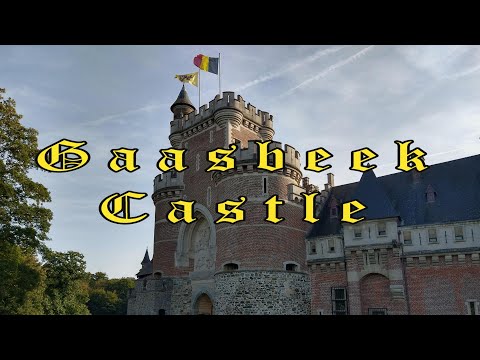
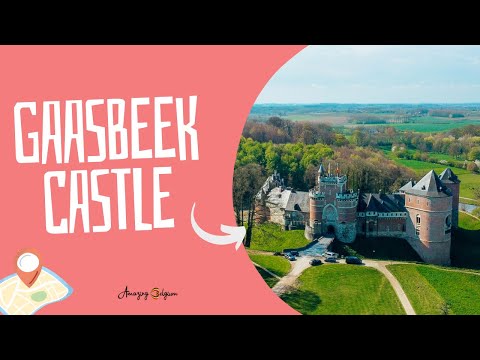
Gaasbeek Castle, known locally as Kasteel van Gaasbeek, is a historic fortress situated in Lennik within the Flemish Brabant province of Belgium. The site's origins date back to approximately 1240, when a fortified structure was first erected to defend the Duchy of Brabant against the County of Flanders. Although the original medieval castle was destroyed by Brussels troops in the 14th century following a political assassination, a new brick castle was constructed on the ruins during the 16th century under the House of Hornes. The building is famously associated with Lamoral, Count of Egmont, who acquired the domain in 1565 before his eventual execution for high treason. Its current distinctive pseudo-medieval appearance is the result of extensive renovations carried out between 1887 and 1898 by architect Charles Albert for the Marquise Arconati-Visconti.
Following the death of the Marquise in 1923, the castle, along with its significant art collection and expansive grounds, was donated to the Belgian state. Since 1980, the property has been managed by the Flemish Community and operates as a national museum. Visitors can explore lavishly decorated historical rooms that house impressive artworks, including the authentic testament of the renowned painter Peter Paul Rubens. The estate encompasses a magnificent park covering 50 hectares, featuring gardens and a triumphal arch. While the museum underwent closure for renovation works from late 2020 until 2023, the extensive outdoor grounds remained accessible to the public throughout this period, ensuring continued engagement with this culturally significant landmark.
Videos
Details
- Name
- Gaasbeek Castle
- Type
- Castle
- Owner
- House Pelgrims de Bigard
- Condition
- Restored
- Materials
- Brick
- Year Built
- 1240
- Image Caption
- Gaasbeek Castle's gatehouse
- Location Text
- Lennik, Flemish Brabant