Burgruine Hohenwart

Burgruine Hohenwart is a medieval hilltop castle ruin located in the state of Carinthia, Austria. Situated south of the village of Köstenberg, which is part of the municipality of Velden am Wörther See, the structure occupies a prominent position in the landscape. Historical records indicate that the castle was constructed during the first half of the 12th century, with its earliest documented mention occurring between 1144 and 1149. As a typical fortification of the German Middle Ages, it served as a strategic stronghold for the region during a period characterized by feudal development and local territorial disputes.
The historical trajectory of the site suggests a relatively short period of active use compared to other regional fortresses. By the early 16th century, the castle had likely already fallen into ruin, indicating it was abandoned or destroyed several centuries ago. Today, the site exists solely as a ruin, though remnants of its original architecture remain visible to visitors and historians. Notable surviving features include sections of the former chapel, specifically distinguished by a western window and portal that offer insight into the religious and domestic life once sustained within the walls. These architectural fragments stand as testaments to the building's past significance and construction style.
Currently, Burgruine Hohenwart serves as a historical landmark and a point of interest for those exploring the castles of Carinthia. While specific details regarding public access hours or modern ownership are not extensively documented in available summaries, the presence of photographic evidence from recent years confirms that the ruins are accessible for observation. The site provides a tangible connection to the 12th-century history of the area, allowing visitors to view the weathered stone structures that have withstood the passage of time since the Middle Ages. It remains an important entry in the catalog of Austrian castles, representing the rich military and cultural heritage of the region.
Videos
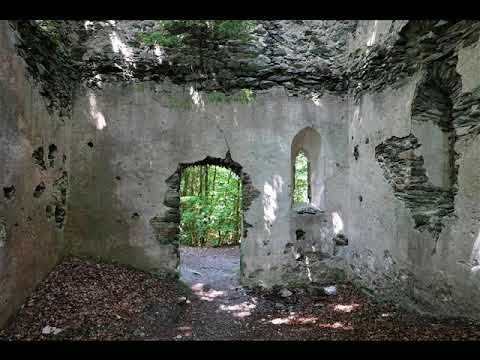
Burgruine Hochwart (Hohenwart, Schwarzes Schloss), 9231 Velden am Wörthersee
Burg Hanstein in Thüringen erbaut vor 950 Jahren #burgen #history #geschichte #castle
Burgruine Hochwart (Hohenwart, Schwarzes Schloss), 9231 Velden am Wörthersee

Hohenzollern Castle: built 3 times, destroyed 2 times, home to 1 storyteller, and now a fairytale...