Burgruine Moosburg/Arnulfsfeste

Burgruine Moosburg, also known as Arnulfsfeste, is a historic hilltop castle ruin located in the state of Carinthia, Austria. Situated at geographic coordinates 46.660 North and 14.158 East, the structure stands as a significant landmark within the region's landscape. While specific details regarding its original builder, construction materials, and precise architectural style are not preserved in the available records, its classification as a hilltop fortress suggests a strategic design intended for defense and oversight of the surrounding territory. The site is formally recognized within directories of Austrian castles and serves as a point of interest for those studying the military history of Carinthia.
The historical significance of the site is anchored in its early origins, with the first documented mention dating back to the year 879. This early reference places the castle's existence in the late ninth century, indicating it has witnessed over a millennium of regional history. Although the provided records do not detail specific battles, commanders, or garrison sizes, the longevity of the site implies it played a role in the feudal and political developments of medieval Austria. The dual naming convention, referencing both Moosburg and Arnulf, hints at a complex lineage potentially tied to specific noble families or historical figures named Arnulf, though further elaboration on these connections requires additional historical sources not present in the current summary data.
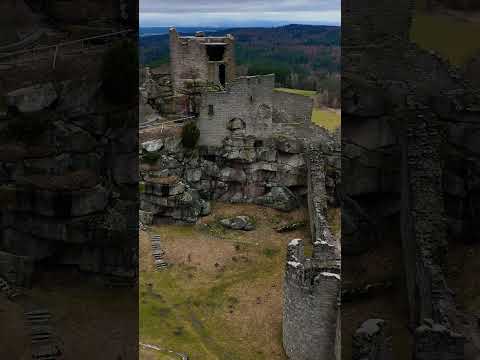
Today, Burgruine Moosburg exists as a ruin, reflecting the natural decay and historical attrition common to ancient fortifications that have ceased active military use. The current condition is described simply as a castle ruin, and while the text does not explicitly state whether the grounds are open to the public or under specific private ownership, such sites in Austria often remain accessible for viewing or are preserved as cultural heritage monuments. As a stub entry in broader geographical and historical databases, the castle represents an enduring piece of Carinthian heritage, inviting further exploration into its complete past while standing as a silent testament to the area's medieval fortification efforts.