Burg Sommeregg

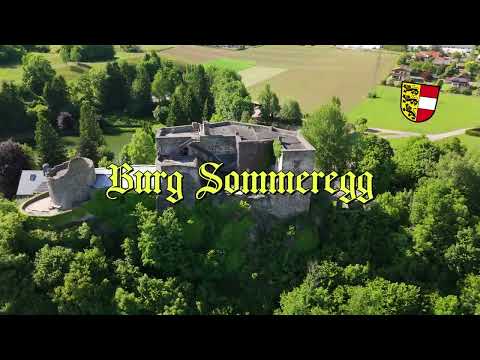
Sommeregg Castle is a medieval hill fortress located near Seeboden in the Austrian state of Carinthia, situated within the foothills of the Nock Mountains at an altitude of 749 meters. Originally constructed in the 12th century by Witemarus von Sommeregg, the structure served as a strategic administrative seat and residence for various noble dynasties over the centuries. Initially held by the Lords of Sommeregg as ministeriales for the Counts of Ortenburg, the castle later became the property of the Counts of Celje before passing to the House of Graben and subsequently the Khevenhüller family. Its historical significance is underscored by its role as the center of the Burgraviate of Sommeregg until 1652 and its involvement in regional conflicts, including the Austrian-Hungarian War of 1487.
The site holds notable historical events, such as the arrangement of the marriage between Euphemia of Ortenburg-Hardegg and Count Albert I of Gorizia in 1275. In 1442, the acquisition of the burgraviate by Andreas von Graben marked a period of independence from the County of Ortenburg, elevating the status of the local rule. The fortress functioned as a crucial hub for administrative and military operations within the Upper Carinthian estates, reflecting the shifting power dynamics among the Habsburgs, the Gorizia family, and local nobility throughout the feudal era.
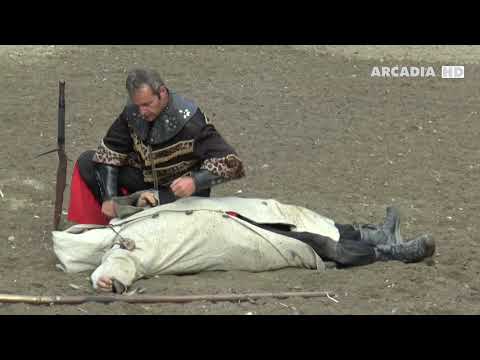
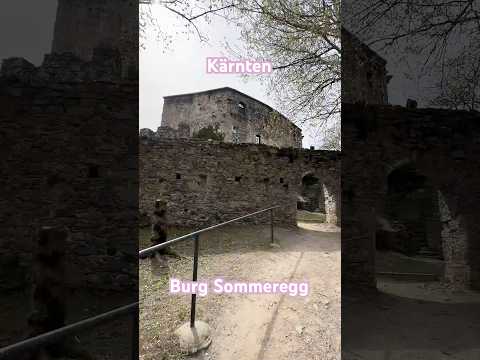
Today, Sommeregg Castle remains in private ownership but is open to the public, offering visitors a glimpse into its rich past. While specific details regarding its current architectural condition are limited in available records, the site is actively used for cultural events, most notably the Ritterspiele, which are popular medieval reenactments that celebrate the location's chivalric heritage. This continued use ensures that the legacy of the castle as a center of medieval life and authority in Carinthia is preserved and shared with modern audiences.