Burg Rauhenstein

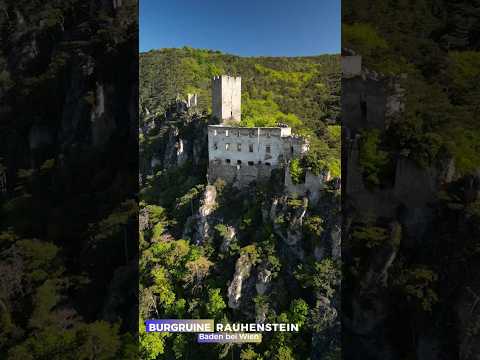
Burgruine Rauhenstein is a medieval castle ruin situated in Baden bei Wien, within the state of Lower Austria, Austria. Constructed during the 12th century, this historic military structure originally served as a strategic fortification in the region. Although much of the original complex has succumbed to the passage of time, a prominent tower remains standing today, reaching a height of approximately 20 meters. The site is characterized by its ruined condition, offering visitors a glimpse into the architectural heritage of the High Middle Ages without extensive modern reconstruction.
The castle holds a unique place in history that extends beyond its military origins, largely due to a tragic event that occurred there in July 1826. It was at these ruins that Karl van Beethoven, the nephew of the world-renowned composer Ludwig van Beethoven, attempted to take his own life. This somber incident links the site indelibly to the biography of one of classical music's most significant figures, adding a layer of cultural significance to its physical presence. The location serves as a tangible connection to the personal struggles faced by the Beethoven family during the early 19th century.
Today, Burgruine Rauhenstein stands as a recognized landmark and excursion destination in Lower Austria. While specific details regarding current ownership or formal public access hours are not extensively detailed in available records, the site remains a point of interest for those exploring the historical landscape of Baden. Its enduring tower and association with major historical narratives ensure that it remains a notable entry in directories of Austrian castles, preserving the memory of both its medieval builders and the later historical dramas that unfolded within its walls.