Burg Neu-Ems

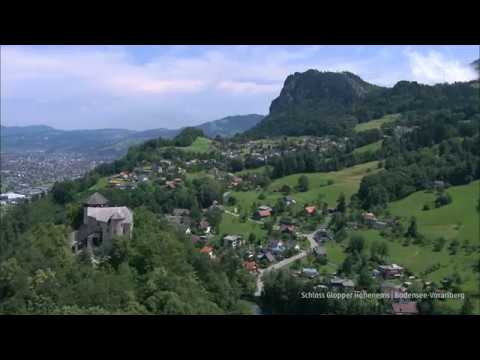
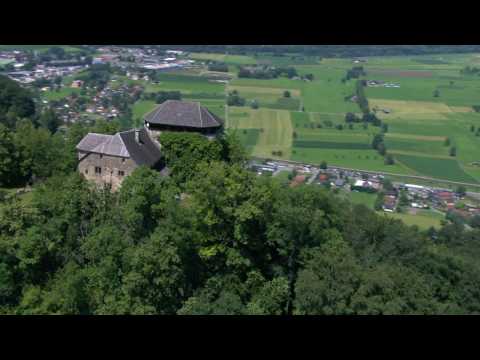
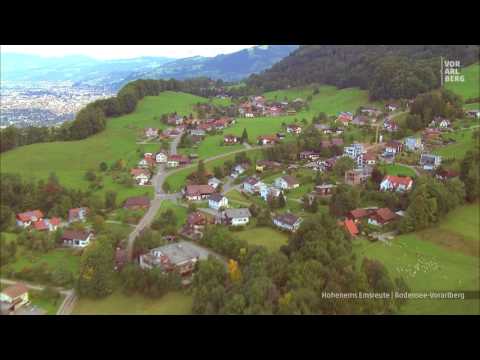
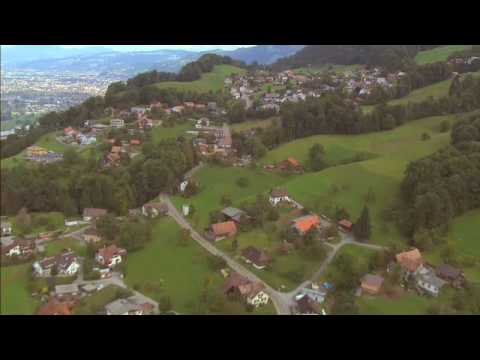
Burg Neu-Ems, also known as Schloss Glopper, is a medieval castle situated in the municipality of Hohenems within the Vorarlberg province of Austria. Perched on a mountain crest in the village of Emsreute east of the town, the structure stands 666 meters above sea level overlooking the Rhine valley. Originally constructed in 1343 by Ritter Ulrich I von Ems with the approval of Emperor Louis IV, the fortress was designed to serve as a comfortable and secure residence for the noble Lords of Ems during turbulent times. It was built in close proximity to the older Alt-Ems fortress, establishing a strategic defensive presence in the region.
The castle possesses a dynamic history marked by conflict and adaptation. During the Appenzell Wars in 1407, the original structure was destroyed but was rebuilt shortly thereafter to restore its function. In 1603, a chapel was added to the ground floor, though today only two lancet windows in the northern wall remain as evidence of this religious extension. The former winged altar from this chapel was removed and has been exhibited at the Tyrolean State Museum in Innsbruck since 1835. These events highlight the site's evolution from a purely military fortification to a residence with spiritual accommodations before falling into its current state of conservation.
Since 1843, Burg Neu-Ems has been under the private ownership of the Waldburg-Zeil family. While the castle is described as conserved, indicating that the structure has been maintained rather than left to ruin, it is not open to the general public. This private status limits direct access to the interior, preserving the site primarily for the owning family while it remains a recognized landmark of Austrian heritage. The castle continues to represent the architectural legacy of the Vorarlberg region, standing as a testament to the medieval nobility that once governed the area from its hilltop vantage point.