Burg Kreuzenstein

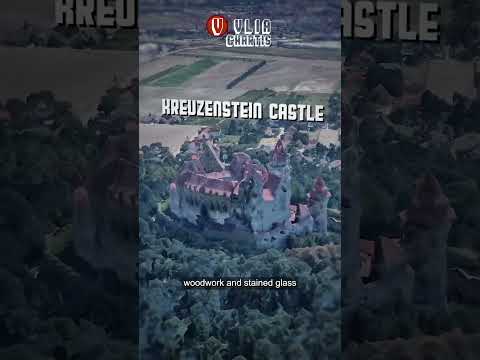
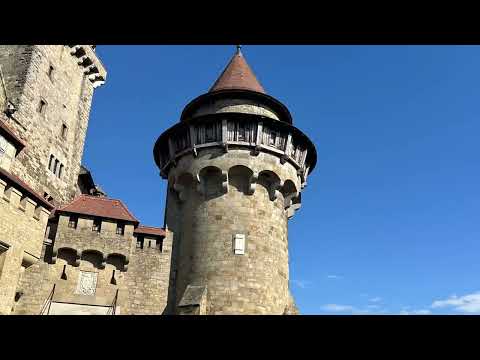
Burg Kreuzenstein is a prominent castle located near Leobendorf in Lower Austria, situated just north of Vienna on a hill overlooking the Danube River. While its origins date back to the 12th century under the Counts of Formbach, the structure visible today is largely a 19th-century reconstruction. The original medieval fortress fell into disrepair and was ultimately demolished during the Thirty Years' War. In the late 1800s, Count Nepomuk Wilczek commissioned the rebuilding of the site, utilizing vast wealth generated from his family's Silesian coal mines. His vision was to create a magnificent family vault and residence that captured the essence of medieval architecture.
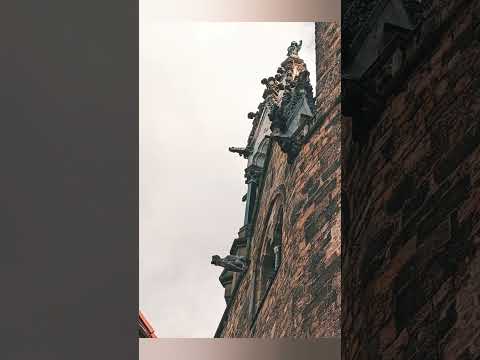
The castle is architecturally unique because it was assembled using authentic medieval sections purchased from various locations across Europe. This method of construction allows Burg Kreuzenstein to be classified as both a neo-medieval creation and an original historical structure, as many of its walls, windows, and decorative elements genuinely date back to the Middle Ages. This eclectic assembly creates an authentic atmosphere that has made the site a popular location for film productions, most notably serving as a setting for Mario Bava's 1972 horror film Baron Blood. It is occasionally confused with the nearby Burg Liechtenstein, which shares a similar restoration history.
Today, Burg Kreuzenstein stands in excellent condition and remains a significant cultural landmark in the region. It offers visitors panoramic views of the Wiener Pforte water gap and the surrounding Korneuburger Becken. The interior houses an impressive collection of medieval artifacts, armor, and hunting trophies accumulated by the Wilczek family over generations. Although it serves as a private family seat, parts of the castle are open to the public, allowing tourists to explore its richly decorated halls and learn about its complex history of destruction, reconstruction, and preservation.