Franzensburg

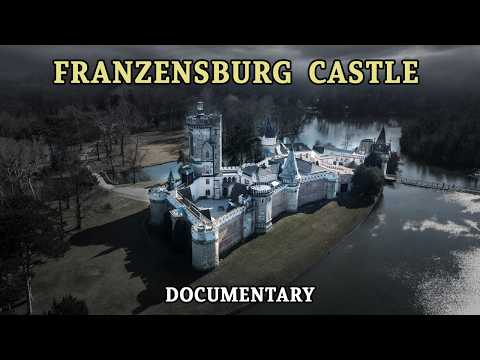
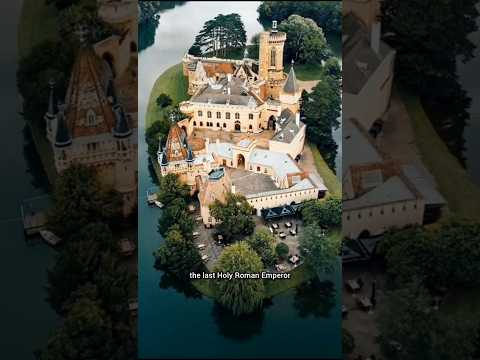
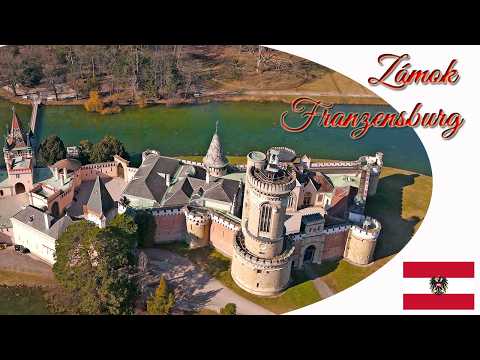
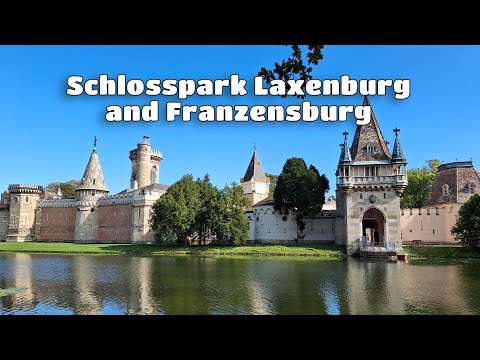
Franzensburg is a distinctive castle located in Laxenburg, Lower Austria, situated within the renowned Laxenburg Castles Park. Constructed between 1801 and 1836, the structure was commissioned by Emperor Francis II, the last Holy Roman Emperor, and named in his memory following his death in 1835. Unlike many fortifications of its apparent age, Franzensburg is not a genuine medieval fortress but rather a deliberate reproduction of a knights' castle. It stands prominently on an artificial island in the middle of the park's pond, serving as a prime example of Romantic Classicism executed in the Neo-Gothic architectural style. The design features imaginative elements such as an outer courtyard and an ancestors gallery adorned with sandstone busts.
The interior of the castle is considered a significant Austrian treasure-house, filled with magnificent furnishings acquired through various purchases and donations over the centuries. Visitors can observe exquisite details ranging from coffered ceilings and marble flooring to historic leather hangings. These extensions and decorations were added progressively until the mid-19th century, enhancing the romantic atmosphere intended by its creator. The building represents a unique fusion of historical homage and artistic vision from the early 1800s, distinguishing it from other military installations in the region.
Today, Franzensburg serves as a museum and remains one of the best-known buildings in the Laxenburg complex. It is open to the public, allowing guests to explore its richly decorated rooms and learn about the legacy of Emperor Francis II. The site continues to be a cultural landmark in Austria, preserving the aesthetic ideals of the Gothic Revival movement while functioning as a historic house museum. Its preservation ensures that the artistic and historical significance of this Neo-Gothic masterpiece remains accessible for future generations.
Videos
Details
- Name
- Franzensburg
- Year Built
- 1801
- Location Text
- Lower Austria, Austria