Burg Perchtoldsdorf

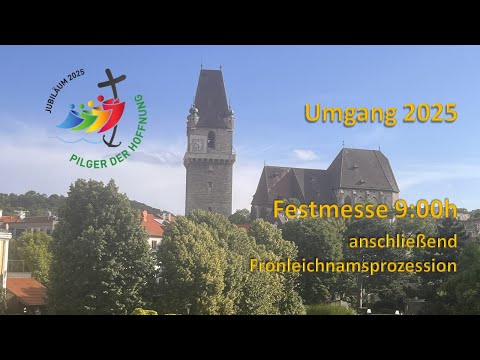
Burg Perchtoldsdorf is a historic castle complex situated in Lower Austria, specifically on the northern side of the Perchtoldsdorf market square along the slopes of the Vienna Woods. Standing 261 meters above sea level, the site likely originated before the year 1000 as part of a defensive network established by the Babenberg dynasty to protect their dominion from Hungarian incursions. The original structure consisted of a brick tower and wooden buildings surrounded by a palisade and moat, serving primarily as a defensive outpost rather than a residence. Over time, wooden structures were replaced with brick, an outer bailey was added, and the prominent south tower, known as a Bergfried, was erected.
The castle holds significant historical weight due to its involvement in regional aristocratic conflicts. In 1232, Otto I of Perchtoldsdorf granted the castle to Melk Abbey, only to receive it back as a fief. Following Otto's participation in an uprising against Duke Frederick II, the castle was destroyed during a punitive expedition, leaving only the base and parts of the south wall, which were subsequently converted into a church. Although Otto II rebuilt the ancestral castle around 1270, it faced destruction again circa 1290 when Duke Albert I razed it following another noble revolt led by Otto III. Despite these setbacks, the site evolved, with the castle chapel elevated to a parish church in 1217.
Today, Burg Perchtoldsdorf exists as a mighty complex integrating both religious and military architecture. While much of the original residential structures were lost to centuries of conflict and the demolition of market fortifications under Emperor Joseph II in the late 18th century, the south tower remains a standing testament to its medieval origins. The location continues to define the landscape of the Mödling District, representing a layered history of defense, rebellion, and ecclesiastical adaptation within the Vienna Woods region.