Oršić Castle

Oršić Castle is a prominent Baroque structure located in the Municipality of Gornja Stubica within Krapina-Zagorje County, northwestern Croatia. Constructed in 1756 by Count Krsto II Oršić, the building replaced a medieval fortress on the same site and features a distinctive L-shaped ground plan. The architecture showcases a simple frontage with rhythmically aligned windows and rustic corner details, while the backyard wings open into arcades following the corridor line. Following significant earthquake damage in the nineteenth century, the estate was modified with a Classicist porch featuring Doric columns and a tympanum. The interior remains notable for its well-preserved chapel, which contains illusionist murals and an illustrated Baroque altar.
Historically, the castle served as the feudal residence of the influential Oršić family, who owned numerous estates across Croatia, until their relocation in 1924. In the decades following their departure, the building housed a primary school and a local agricultural cooperative. During the late 1960s and early 1970s, the property underwent extensive renovation to become the Museum of the Peasants' Revolt. This institution commemorates the tragic uprising of 1573 that occurred in the region, preserving the memory of the conflict and its leaders.
The castle grounds include a park hosting a massive monument dedicated to the Peasants' Revolt and its leader, Matija Gubec. Created by the renowned Croatian sculptor Antun Augustinčić, this memorial stands as a significant cultural landmark adjacent to the historic residence. Today, Oršić Castle functions as both a protected historical site and an educational museum, offering visitors insight into the area's turbulent past and architectural heritage. Its transformation from a noble family home to a public institution ensures the preservation of its unique Baroque and Classicist elements for future generations.
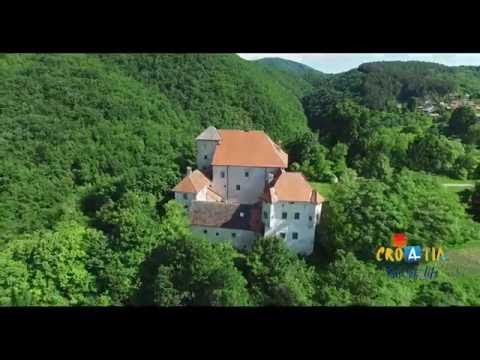

Details
- Notes
- Count Krsto Oršić constructed the castle in 1756 on the site of a medieval fortress, and the family maintained residence until 1924. The interior chapel displays illusionist murals and a baroque altar, representing the artistic preferences of eighteenth-century Croatian nobility.
- Year Built
- 18th century
- Castle Type
- Castle
- Location Text
- Gornja Bistra, Zagreb County