Kreva Castle

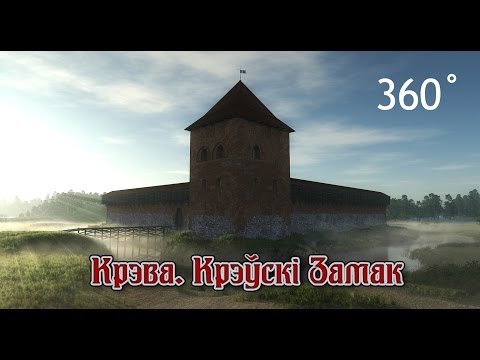
Kreva Castle stands as a historic ruin in the village of Kreva, located in the Grodno region of Belarus. Originally constructed as a major fortified residence for the rulers of the Grand Duchy of Lithuania, specifically Gediminas and Algirdas, the structure sits approximately 220 meters above sea level. While the exact year of construction is not explicitly detailed in the available records, its prominence during the 14th century establishes it as a key architectural symbol of the Lithuanian state. The castle served as a strategic stronghold and royal dwelling, reflecting the military and political power of the era through its formidable design, which included significant towers and defensive walls typical of medieval fortifications in the region.
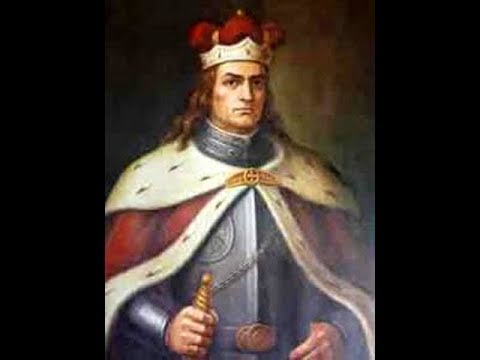
The site holds profound historical significance due to pivotal events that shaped Eastern European history within its walls. In 1382, during the Lithuanian Civil War, Grand Duke Jogaila imprisoned his uncle Kęstutis and cousin Vytautas here; Kęstutis died under mysterious circumstances shortly after, sparking ongoing historical debate regarding whether his death was natural or a murder. Just three years later, the castle hosted the signing of the Union of Krewo, a landmark agreement that initiated the political integration leading to the Polish-Lithuanian Commonwealth. These events cement the castle's reputation as a cradle of dynastic struggle and diplomatic union.
Over the centuries, the fortress suffered extensive damage, beginning with a sack by Crimean Tatars in the early 16th century. Left unoccupied for long periods, its walls crumbled significantly by the 19th century. World War I delivered a final devastating blow as the structure lay directly on the front line between Russian and German forces. Although partial conservation efforts were undertaken, notably by Poland in 1929, the monument has continued to decay. Today, visitors encounter atmospheric ruins that serve as a tangible reminder of the Grand Duchy's legacy, with occasional discussions regarding potential restoration of its main walls and iconic towers.