Gyantse Castle

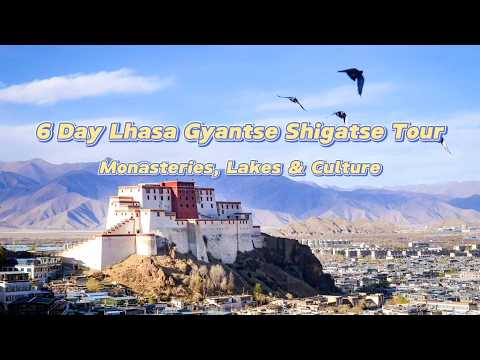
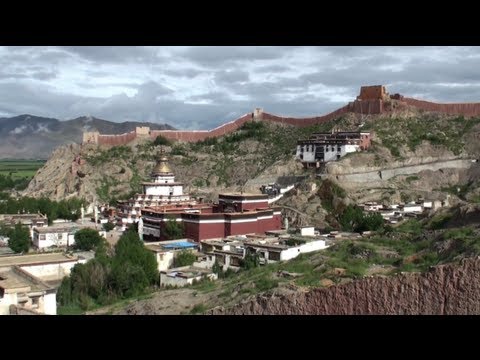
Gyantse Dzong, also known as Gyantse Fortress, is a historically significant structure located in Tibet, perched high above the town of Gyantse on a prominent spur of grey-brown rock. Established in 1390 according to historical records by Vitali, the fortress serves as one of the best-preserved examples of traditional Dzong architecture in the region. Its strategic position allowed it to guard the southern approaches to the Tsangpo Valley and the capital city of Lhasa. The original site, once known as Gyel-khar-tse, dates back to the 9th century under Pelkhor-tsen, but the current walls were largely constructed in the 13th and 14th centuries. The complex was significantly expanded by local princes who aligned with the Sakyapa sect, incorporating royal residences and hilltop temples that once housed renowned Buddhist teachers.
The fortress holds a prominent place in military history due to its role during the British expedition to Tibet in 1904. Although Tibetan defenders initially utilized the site, they were ultimately routed by British forces equipped with modern Maxim guns and mountain artillery. The British captured the Dzong bloodlessly after most defenders had fled, raising the Union Jack before temporarily withdrawing to secure supply lines. This event marked a critical confrontation between traditional Tibetan military tactics and modern industrial weaponry. Today, while some surrounding walls are ruined, the main structure remains standing and retains impressive 14th-century murals painted in both Newari and distinct Gyantse styles, offering visitors a glimpse into the artistic heritage of the era.
Videos


Details
- Location Text
- (རྒྱལ་རྩེ་རྫོང་། 江孜古堡)