Gjirokastër Fortress

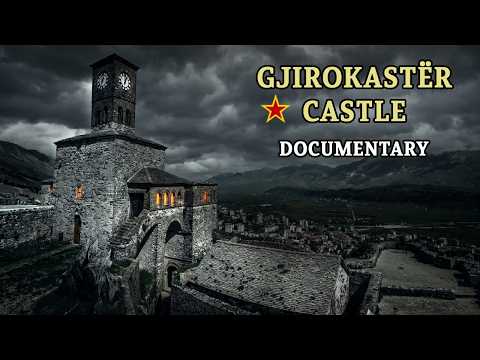
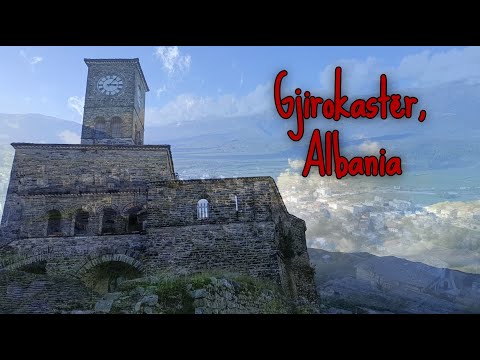
Gjirokastër Fortress, situated in southern Albania’s Gjirokastër town at 336 meters elevation, is a historic military structure dating to the 12th century. Constructed with ancient stone blocks, it represents significant Balkan military architecture and has been controlled by the Byzantine Empire, Despotate of Epirus, Ottoman Empire, and modern Albania. Strategically positioned to dominate the river valley, it served as a defensive stronghold and administrative hub throughout its history.
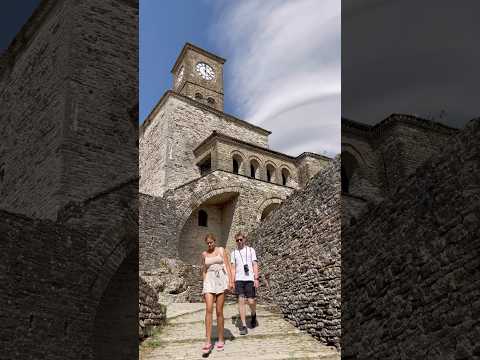
Today, the fortress is open to the public and houses a military museum featuring Communist-era resistance memorabilia, captured artillery, and a preserved U.S. Air Force plane symbolizing Albania’s Cold War stance. Notable historical elements include the legend of Princess Argjiro, who reportedly leapt from the castle in the 15th century to evade Ottoman capture, and renovations by Ali Pasha of Tepelene after 1812, alongside prison expansions under King Zog in 1932. The site features five towers, a clock tower, and hosts the National Folklore Festival, remaining a key cultural and tourist attraction that preserves Albania’s heritage.
Videos
Details
- Notes
- The fortress dominates the town of Gjirokastër and overlooks the strategically important route along the river valley.
- Condition
- preserved
- Year Built
- 12th century
- Location Text
- Gjirokastër''''