Ganja Fortress

Ganja Fortress, known locally as Gəncə qalası, is a historic defensive structure located in Ganja, Azerbaijan, specifically along Gala Street and the left bank of the Ganja River. Commissioned by Ottoman Sultan Murad III and constructed under the direction of Serdar Ferhad Pasha, the fortress was completed on September 3, 1588, following the capture of the city from Safavid control. Built in the architectural style of the School of Arran, the structure utilized traditional local materials including clay-mud, cobblestones, and baked red bricks. Originally designed as an uneven polygon, the massive fortification featured walls reaching significant heights and thicknesses, effectively dividing the sixteenth-century city into four distinct sections: the outer city, Shahristan, Ichgala, and Naringala.
The historical trajectory of the fortress reflects the changing political landscapes of the Caucasus. For centuries, it served as a critical military stronghold, but its fate changed dramatically in the late nineteenth century after Ganja became a regional center under Russian rule. Following the approval of a new urban master plan by Emperor Alexander II in 1873, designed by architect Ignati Kshishtalovic, the majority of the fortress walls were demolished to make way for European-style neighborhoods. This urban modernization erased most of the original structure, leaving only fragmentary remains today.
Currently, the condition of the Ganja Fortress is limited to small preserved sections, most notably the Shiralibey tower and parts of the wall visible within Khan's Garden, the city's oldest park. Despite the extensive demolition over a century ago, efforts were made to renovate the remaining fortress wall in 2007 to preserve this piece of heritage. While the vast majority of the thirteen-kilometer perimeter has disappeared, these surviving elements stand as a testament to the city's strategic importance during the Ottoman-Safavid conflicts and its subsequent transformation into a modern urban center.
Videos

Azerbaijan Ka Tareekhi Shahar "Ganja" - Jaaniye Usko Khazanon Ka Shahar Kyu Kaha Jata Hai?
![Walking tour along the most famous historical street of Ganja-[4K HDR]-Azerbaijan #azerbaijan #ganja](https://img.youtube.com/vi/K9Z9yO9OWRU/hqdefault.jpg)
Walking tour along the most famous historical street of Ganja-[4K HDR]-Azerbaijan #azerbaijan #ganja
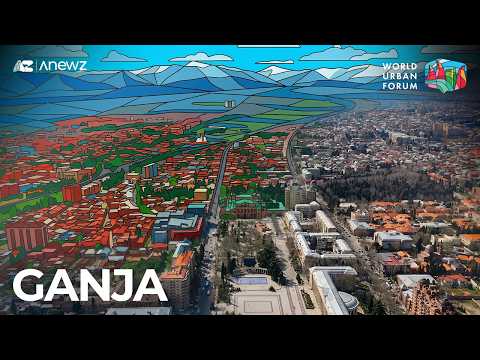
WUF13 | World Urban Forum: Ganja

Ganja - Azerbaijan 🇦🇿 4K walking tour throughout the whole city #azerbaijan #walking
Details
- Name
- Ganja Fortress
- Materials
- Brick
- Year Built
- 16th century
- Image Caption
- The preserved part of the fortress, built in the XVI century in "New Ganja"
- Location Text
- Ganja
- Architectural Style
- Architectural school of Arran