Citadel of Namur

The Citadel of Namur is a historic fortress located in the Walloon capital city of Namur, Belgium, strategically positioned at the confluence of the Sambre and Meuse rivers. Originally established in 937 during the Roman era, the structure has undergone numerous reconstructions over the centuries to adapt to evolving military needs. The citadel reached its current extensive form between 1631 and 1675 while under Dutch control, a section historically known as Terra Nova. Its definitive architectural design is attributed to the renowned military engineer Menno van Coehoorn, with significant improvements later added by Sébastien Le Prestre de Vauban following the siege of 1692. Constructed primarily from stone, the fortress rises to a highest point of 190 meters, offering commanding views of the surrounding landscape and serving as a key component of the Meuse Citadels network.
Historically, the site served as a critical defensive stronghold for centuries, supplemented by various subsidiary positions built throughout the 18th century. Its role as an active military post officially ended in 1891 when it was superseded by a new ring of modern forts designed to withstand artillery attacks. Despite this transition, the citadel retained strategic value and was utilized as a protected command post during the 20th century. Today, the fortress is classified as a Major Heritage site by the Wallonia region and remains open to the public. It stands as a testament to European military engineering, blending medieval origins with sophisticated early modern fortification techniques. Visitors can explore the grounds to appreciate its historical significance and panoramic vantage points over the city and rivers below.
Videos

Walking Tour | Citadel of Namur, Belgium 🇧🇪 | 4K HDR 50FPS | Relaxing Ambient Walk
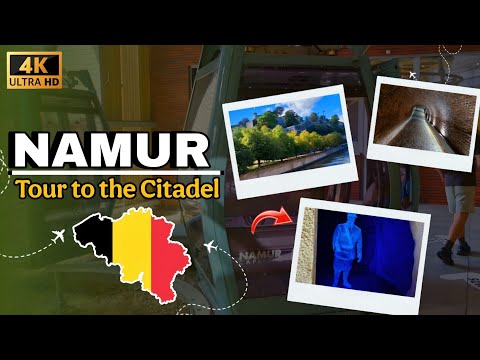
Exploring the Stunning Namur Citadel | Belgium #unscripteddays #belgium #namur #citadel #europe
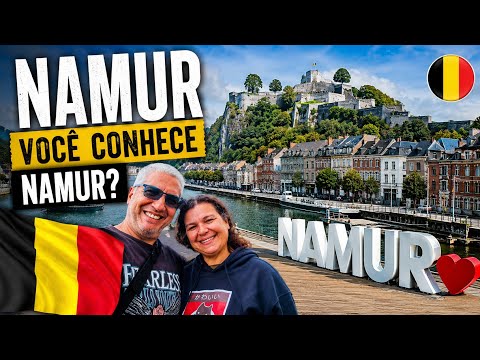
NAMUR, Belgium 🇧🇪 | Historic Center, Citadel and the Confluence of the Sambre and Meuse Rivers Eu...
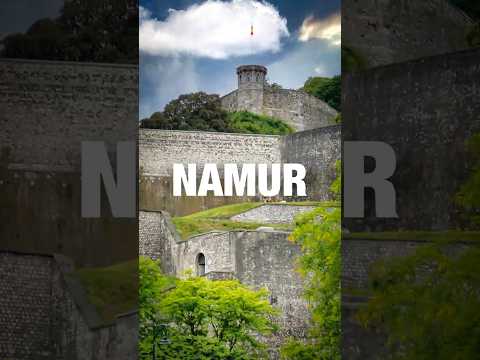
Namur, Belgium: Citadel Views, Golden Turtle & Hidden History 🇧🇪 #belgium #belgiumtravel #europe
Details
- Location Text
- Namur