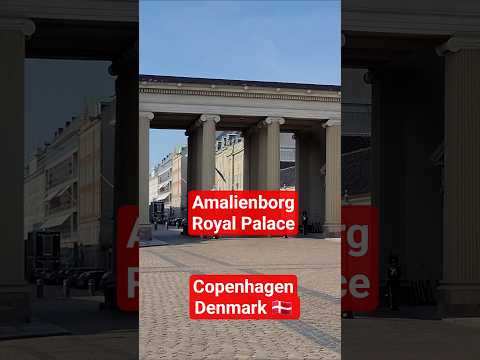
Amalienborg Palace

Amalienborg Palace serves as the official residence of the Danish royal family and is prominently located in the Frederiksstaden district of Copenhagen, Denmark. Constructed between 1750 and 1760 under the direction of architect Nicolai Eigtved, the complex is a premier example of Rococo architecture. The site consists of four identical classical mansions arranged around a distinctive octagonal courtyard known as Amalienborg Slotsplads. At the center of this square stands a large equestrian statue honoring King Frederick V. While the exteriors present a unified classical façade, the interiors of the palaces retain their original, ornate Rococo design, offering a glimpse into eighteenth-century aesthetic preferences.
The historical significance of Amalienborg is defined by its transformation from private noble homes to the primary seat of the monarchy. Originally commissioned for four wealthy noble families, the properties were acquired by the royal family in 1794 following a devastating fire that destroyed their previous main residence, Christiansborg Palace. This event marked a permanent shift in royal habitation, and since then, various monarchs have occupied the different palaces within the complex. The site also holds a darker history, as it was built on the grounds of the former Sophie Amalienborg palace, which tragically burned down in 1689 during an opera performance that claimed approximately 180 lives.
Today, Amalienborg remains in excellent condition and functions as a working royal palace and a major cultural landmark. It is currently home to King Frederik X and Queen Mary, continuing its centuries-old role as the hub of Danish royal life. The changing of the guard takes place daily in the courtyard, drawing visitors from around the world. Unlike many historical sites that serve only as museums, Amalienborg maintains its status as an active residence while allowing public access to specific areas, effectively bridging the gap between historical preservation and contemporary royal duty.