Wissekerke Castle

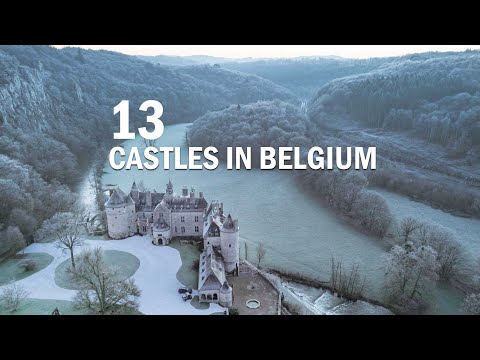
Wissekerke Castle, known locally as Kasteel Wissekerke, is located in the village of Bazel within the municipality of Kruibeke in East Flanders, Belgium. While a fortress has existed on this site since the 10th century, the current structure was largely constructed during the 15th century. The estate is distinguished by its surrounding lake, expansive park, and a notable suspension bridge. This bridge, designed in 1824 by Brussels engineer Jean-Baptiste Vifquain, holds significant industrial archaeological value as one of the oldest surviving wrought iron suspension bridges in Europe, despite its modest span of 23 meters.
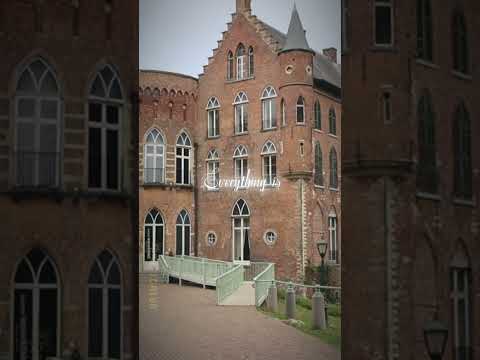
The architectural character of the castle today primarily reflects the 19th-century neo-gothic style, resulting from major reconstruction and renovation efforts undertaken during the 19th and 20th centuries. Most interior features also date from this period. Historically, the castle served as the residence of the influential Vilain XIIII family, whose members held the position of mayor in Bazel for 139 years. In recognition of its heritage value, the castle, along with its gatehouse, pigeon tower, and the iron bridge, was officially listed as a protected monument in 1981.
In 1989, the town of Kruibeke purchased the property and has since managed extensive restoration work to preserve the site. Today, Wissekerke Castle serves as a vibrant cultural venue, hosting various exhibitions, tours, and community activities. It stands not only as a testament to medieval origins and later Gothic Revival modifications but also as a key historical landmark in the region due to its unique engineering features and long-standing connection to local governance.
Videos


Details
- Location Text
- Bazel