Het Steen

Het Steen, also known as the Rubens Castle, is a historic fortress located in Elewijt within the Flemish Brabant province of Belgium. Originally constructed in 1304, the castle sits alongside the Baerebeek stream and represents a significant piece of regional military architecture. While its specific architectural style is not detailed in available records, its enduring stone structure has served various functions over seven centuries. The site is currently owned by the Flemish Region after being purchased in 2019, having previously been declared a listed monument in 2016 to ensure its preservation for future generations.
The castle holds profound historical significance due to its association with the renowned Flemish Baroque artist Peter Paul Rubens. In May 1635, Rubens purchased the estate along with the noble title of Lord of Steen, intending it to serve as a summer residence away from his primary home in Antwerp. He lived there with his second wife, Helena Fourment, until his death in 1640. During his tenure, the castle and its surrounding landscapes inspired several of his most celebrated late works, including A View of Het Steen in the Early Morning and The Rainbow Landscape, cementing the building's place in art history.
Following Rubens's era, the property passed through numerous owners and served diverse roles, including a period of use as a prison. The site also witnessed tragic events during the German invasion of Belgium in August 1914, when four civilians were murdered outside its walls. Today, while the castle remains privately managed and is not open for general public tours, it is available for rent as an exclusive venue for events. This dual status allows the historic structure to remain active and maintained while protecting its integrity as a cultural landmark.
Videos
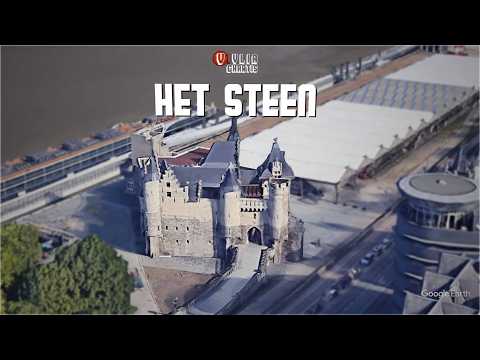
🏰 Het Steen: Antwerp's Medieval River Fortress | 2-Minute History
Learn everything you didn't know of Gravensteen Castle in this videotour (Ghent, Belgium)
【4K】Antwerp 4K Walking Tour | Meir, Cathedral & Grote Markt to Het Steen
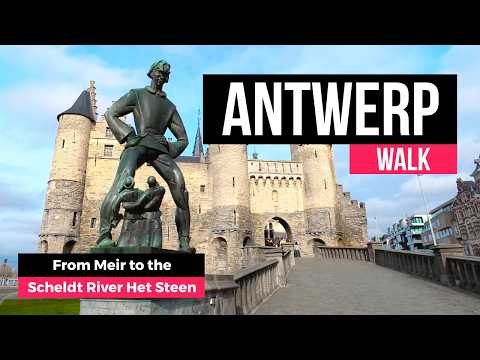
Antwerp Walking Tour 🇧🇪 | From Meir Shopping Street to Het Steen Along the Scheldt River | 4K
Details
- Notes
- medieval castle
- Location Text
- Elewijt