Prandegg Castle

Prandegg Castle, also known as Burgruine Prandegg, is a historic hill castle ruin located near the village of Schönau im Mühlkreis in the Freistadt District of Upper Austria, Austria. Perched atop a rocky ridge at an elevation of 705 meters, the site sits between the valleys of the Waldaist River and the Prandegg stream. The fortress was originally constructed in the 13th century, though archaeological evidence suggests a late Romanesque precursor existed on the highest northern point as early as the late 12th century. Its name derives from local dialect terms describing the terrain: a forest area cleared by fire and a prominent rocky outcropping.
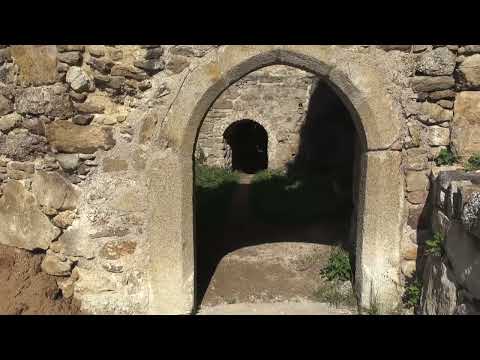
Architecturally, the castle is characterized by its elongated layout that follows the natural rock formation. The complex features a massive round defensive tower, or bergfried, which stands 26 meters high on a natural stone base and currently serves as a public lookout point accessible via a wooden bridge. Although the structure is in ruins, significant elements remain visible, including multi-story residential walls, pointed arch portals, bay windows, and remnants of plaster. A man-made moat once separated the inner ward from the outer ward, while a castle chapel and gatehouse formerly completed the ensemble. First mentioned in written records in 1287, the castle played a strategic role in the region for centuries.
Today, Prandegg Castle exists as a preserved ruin that has undergone renovation and cleaning efforts to stabilize its remaining structures. While the upper fortifications stand as a testament to medieval military architecture, the area at the foot of the castle, historically known as the Maier courtyard, has been repurposed. This lower section now houses a restaurant, allowing visitors to engage with the site's history while enjoying the surrounding landscape. The ruins remain a notable landmark in the Mühlviertel area, offering insights into the defensive building styles of Upper Austria.