Duras Castle

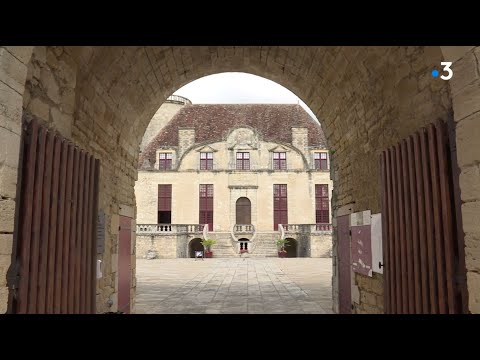
Duras Castle, known locally as Kasteel Duras, is situated in the village of Duras, approximately a thirty-minute walk north of Sint-Truiden in Belgium. Although the current structure was constructed between 1787 and 1789 in the Classical style, it stands on the historic site of an original fortress built in 1102 by the Counts of Duras. The late eighteenth-century edifice was commissioned by the van der Noot family and designed by architect G. Henry from Dinant. Its façade is distinguished by six Ionic columns supporting a small dome, while the interior features a grand reception hall surrounded by other rooms, incorporating design elements typical of French hotels of that era.
The estate encompasses over one hundred hectares of woods, meadows, fields, and orchards, also containing a watermill and a farm. Throughout its existence, the castle has survived significant turmoil, including a near-total destruction by fire in 1902, after which it was immediately rebuilt. During World War II, the property avoided seizure by German troops but was deliberately struck by a V-1 flying bomb in 1945, causing extensive damage to many rooms. With support from the Belgian State and the Count of Liederkercke, a comprehensive restoration was completed between 1960 and 1962. The site had already been declared a protected monument in 1948.
Historically, the castle is linked to prominent European nobility, including connections to Godfrey of Bouillon and the Princely House of Ligne through marriage alliances. Following the van der Noot lineage, ownership passed to the d'Outremont family, who still possess the castle today. One member of this family served as grand marshal of the court for King Leopold II. Currently, the castle remains in good condition and serves as a venue for public visits several times a year. It is also available for private rentals, particularly for weddings, allowing visitors to experience its rich history and expansive grounds.
Videos


Details
- Location Text
- Duras, Sint-Truiden