Burgruine Eppenstein

Burgruine Eppenstein is a medieval spur castle located in the mountainous Upper Styria region of Austria, overlooking the town of Eppenstein. Constructed around the year 1000 AD, it originally served as the ancestral seat of the powerful Eppenstein dynasty. This noble family produced several Margraves of Styria and Dukes of Carinthia during the 11th and 12th centuries. Strategically positioned at an elevation of 736 meters, the fortress guarded a vital trade route connecting the Mur valley to the Lavant valley across the Seetal Alps. Although the family line became extinct in 1122, leading to the inheritance of their lands by the Ottokar dynasty, the site remained a significant military asset throughout the Middle Ages.
The castle possesses a turbulent history marked by royal conflicts and changing ownership. In the 13th century, it was seized by King Ottokar II of Bohemia following his campaigns in Styria and notably used as ransom collateral for the release of the imprisoned noble Herrand von Wildonie. After passing through various hands, including Habsburg ministeriales like the von Graben family, the structure was rebuilt in the Gothic style around 1478. However, its strategic relevance waned after being conquered by forces of King Matthias Corvinus in 1482 during the Austrian-Hungarian War. Consequently, the fortress gradually fell into disrepair and decay over the subsequent centuries.
Today, Burgruine Eppenstein exists as a publicly accessible ruin that offers visitors a glimpse into Styria's feudal past. While the structure no longer retains its original完整性 or residential function, its remnants stand as a testament to the region's complex political history involving Bavarian dukes, Bohemian kings, and Hungarian invasions. The site remains an important historical landmark within the list of castles in Austria, inviting exploration of its Gothic reconstruction efforts and its long-standing role as a guardian of alpine trade paths.
Videos
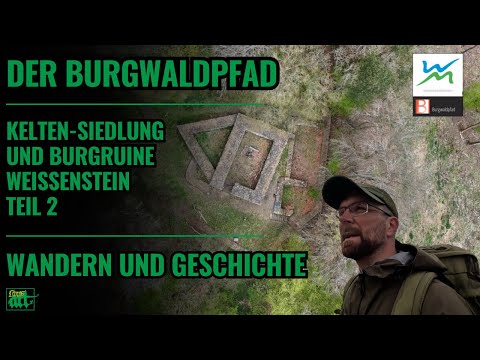
2500-year-old Celtic settlement and castle ruins of Weißenstein - The Burgwald Trail | Part 2
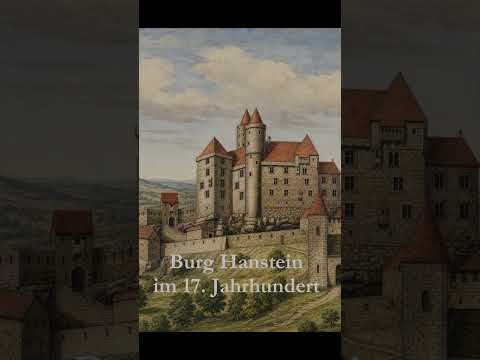
Burg Hanstein in Thüringen erbaut vor 950 Jahren #burgen #history #geschichte #castle
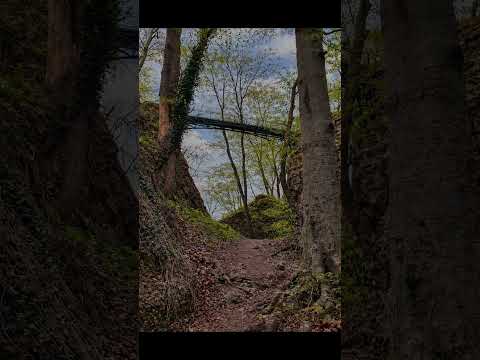
Burg Rosenstein in Baden Württemberg erbaut vor 820 Jahren #burgen #history #geschichte #castle
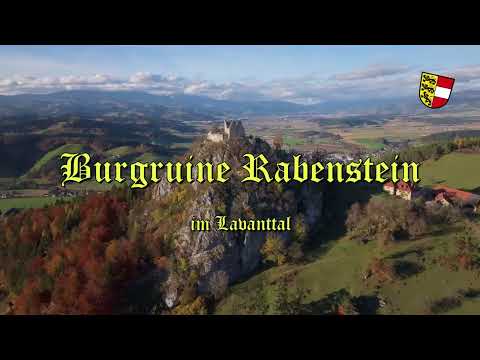
Burgruine Rabenstein /Rabenstein Castle ruins 4K