Urvich castle

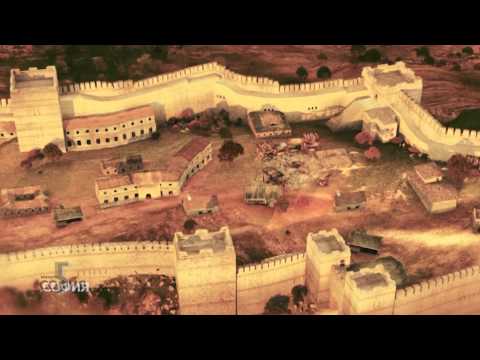
Urvich, also known as Kokalyane Urvich, is a medieval fortress situated in Bulgaria within the modern Pancharevo quarter of Sofia City Province. Perched on the Sredobardie hill in the Lozen Mountain range, the site overlooks a scenic meander of the Iskar River approximately twenty kilometers from downtown Sofia. This strategic location places the castle at the intersection of the Vitosha, Plana, and Lozen mountains, historically serving as a critical defensive point with guard towers and a mobile access bridge near the Devil's Bridge opposite the main structure.
Constructed likely during the thirteenth century under the Second Bulgarian Empire, the fortress is deeply associated with Emperor Ivan Shishman. Local tradition refers to the ruler as Jasen and credits him with leading battles against Ottoman forces from this stronghold. The castle maintained permanent connections with other regional fortresses like Bistrica and Boyana via the historic Yassenov King Road. Within its walls once stood the fortified Church of St. Elias, remnants of which still exist today alongside the broader ruins of the military complex.
Currently, Urvich exists as an archaeological site and natural landmark rather than a functional building. While the structure has suffered the ravages of time and conflict, leaving only ruins and foundations, it remains a significant historical monument in Bulgarian heritage. Its legacy extends globally, as the Urvich Wall on Livingston Island in Antarctica was named in honor of this medieval stronghold. The surrounding area, declared a protected natural zone, preserves both the historical memory of imperial resistance and the unique geography of the river valley.
Videos
Details
- Notes
- Urvich, also known as Kokalyane Urvich after the nearby village, is a medieval fortress in the territory of today's quarter Pancharevo of the capital Sofia. It is located on the right bank of Iskar River, on the hill of "Sredobardie", in the Lozen mountain, about 20 km from Sofia downtown on the road to Samokov. The fortress was constructed in the 13th century during the Second Bulgarian Empire.