Trapezitsa fortress

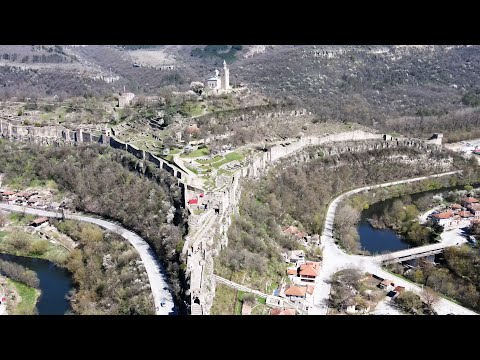
Trapezitsa Fortress is a medieval stronghold situated on a prominent hill in Veliko Tarnovo, northern Bulgaria, rising approximately 81 meters above the winding Yantra River. Protected by steep cliffs and spanning over 66 decares, the site derives its name either from the table-like shape of its plateau or from the trapezits, soldiers who guarded mountain passes. While the hill hosted settlements dating back to the Chalcolithic and Thracian eras, the primary medieval fortifications were constructed during the 12th to 14th centuries under the Second Bulgarian Empire. During this golden age, when nearby Tsarevets served as the imperial capital, Trapezitsa functioned as the city's second most important citadel, housing noble boyars and serving as a prestigious religious center.
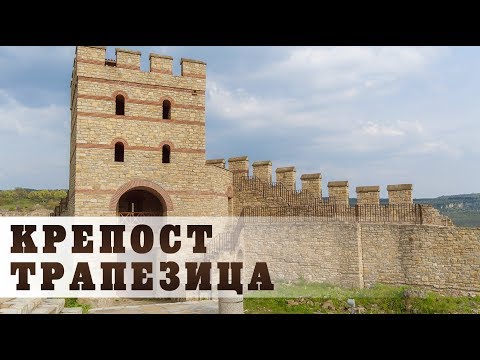
The fortress was historically renowned for its impressive architecture, featuring thick crushed stone walls up to six meters high and four distinct entrances, including a main gate linked to Tsarevets by a bridge. The interior was dotted with numerous churches richly decorated with colorful ceramic plates, mosaics, and murals. Notable religious events included Tsar Ivan Asen I transferring the relics of St. Ivan Rilski to a monastery on the hill in 1195. Several structures earned titles like "royal churches" due to frescoes depicting monarchs, while others served as burial sites for the elite. Today, the location exists primarily as an archaeological site containing extensive ruins of these once-glorious ecclesiastical and defensive structures.
Excavations at Trapezitsa began shortly after the Liberation of Bulgaria under the guidance of scholars like Marin Drinov and Vasil Beron. These efforts have uncovered the foundations of at least eighteen churches, revealing the site's deep spiritual significance and artistic heritage. Although the fortress no longer serves a military or residential purpose, it remains a critical historical landmark that illustrates the architectural sophistication and political importance of medieval Tarnovo. Visitors can explore the remnants of this glorious city, which stands as a testament to Bulgaria's imperial past and its enduring cultural legacy.
Videos

Details
- Notes
- Trapezitsa is one of the three fortresses of Tarnovgrad, the capital of the Second Bulgarian Empire, along with Tsarevets and Devingrad. It enclosed the second largest neighbourhood of the medieval city with 17 churches and a number of noble residences. Some of the wall sections have been partially restored