Stoclet Palace Palais Stoclet / Stocletpaleis

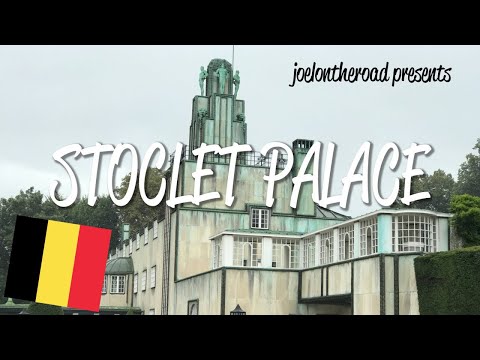
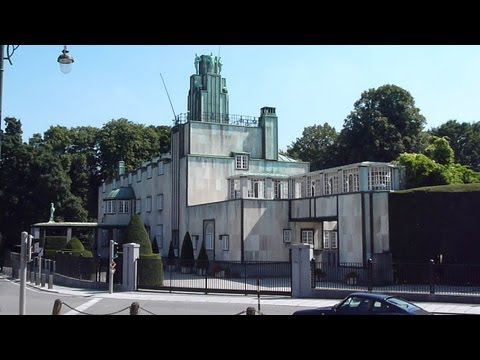
The Stoclet Palace, also known as the Stoclet House, is a historic mansion located at Avenue de Tervueren 279–281 in Woluwe-Saint-Pierre, a municipality within the Brussels-Capital Region of Belgium. Constructed between 1905 and 1911, this private residence was commissioned by the Belgian financier Adolphe Stoclet and designed by the renowned Austrian architect Josef Hoffmann. The building stands as a premier example of the Vienna Secession architectural style and is widely considered Hoffmann's masterpiece. It represents one of the most refined and luxurious private houses built during the twentieth century, showcasing an exceptional level of craftsmanship and artistic integration that defined the era.
Historically, the palace is celebrated as a quintessential Gesamtkunstwerk, or total work of art, where every element from the structure to the interior decor was harmoniously unified. The sumptuous dining and music rooms were designed to create theatrical spaces celebrating sight, sound, and taste, drawing inspiration from the operas of Richard Wagner. The project involved collaboration with other distinguished artists, including Gustav Klimt, Franz Metzner, and Fernand Khnopff. A notable anecdote from its history involves Hoffmann designing a specific dress for Madame Stoclet to ensure her attire complemented the interior decor, highlighting the architect's meticulous attention to detail and the cohesive Viennese identity of the home.
Today, the Stoclet Palace remains in the possession of the Stoclet family and is not open to the public, preserving its status as a private residence. Despite its limited accessibility, its cultural importance was globally recognized when it was inscribed as a UNESCO World Heritage Site in 2009 under the name Stoclet House. It was designated for meeting cultural criteria related to human creative genius and the interchange of human values. As a protected landmark, the building continues to stand as a testament to the artistic ambitions of the early twentieth century and remains one of Europe's most significant architectural treasures.
Videos

Details
- Location Text
- Woluwe-Saint-Pierre