Fort Coenraadsburg

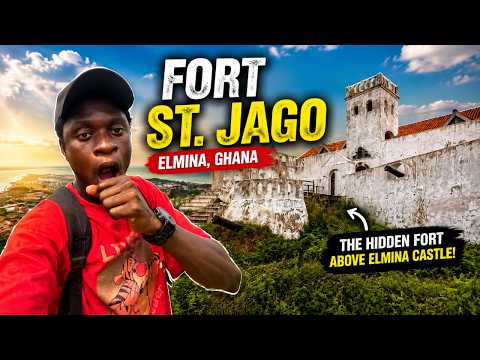
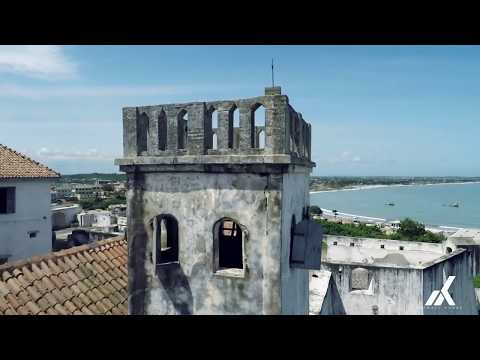
Fort Coenraadsburg, also known as Fort São Tiago da Mina or Fort St. Jago, is a historic military installation located in Elmina within the Central Region of Ghana. Situated on a hill directly opposite the larger Elmina Castle, this small fort was constructed by the Dutch around 1652, with permanent structures completed in the 1660s under Director General J. Valckenburgh. The site originally housed a Portuguese chapel dedicated to Saint Jago, which the Dutch had previously destroyed during the Battle of Elmina in 1637. Before building the permanent stone structure using local sands, the Dutch utilized the strategic hilltop as a gun position to bombard Portuguese forces and later established an earthwork to prevent enemies from employing similar tactics against them.
The primary architectural purpose of Fort Coenraadsburg was to serve as a defensive outpost protecting Fort Elmina from land-based attacks. Its design reflects typical 17th-century European military engineering adapted for the West African coast. The fort remained under Dutch control from its construction until 1872, when it was ceded to the United Kingdom along with the rest of the Dutch Gold Coast territories. This transfer marked the end of significant Dutch military presence in the region, though the structure itself survived as a testament to the complex colonial history of the area.
Today, Fort Coenraadsburg holds profound historical significance as part of the UNESCO World Heritage Site designated in 1979 under the collective title "Forts and Castles, Volta, Greater Accra, Central and Western Regions." It stands as a somber memorial to the Atlantic slave trade and the centuries of European competition for control over West African commerce. While specific details regarding its current physical condition or public access hours are not extensively documented in available records, the site remains a protected monument managed as part of Ghana's national heritage, preserving the memory of the turbulent colonial era for future generations.
Details
- Location Text
- Elmina ()