Shanhaiguan Castle

Shanhaiguan Castle, also known as Shanhai Pass, is a monumental fortified gateway situated in the Shanhaiguan District of Qinhuangdao, Hebei Province, China. Strategically positioned on the east bank of the Shi River, it marks the eastern terminus of the Great Wall of China where the structure meets the Bohai Sea. The pass commands the Liaoxi Corridor, a narrow coastal plain between the Yan Mountains and the sea, serving as the only easily traversable land route between North and Northeast China. Its unique location allowed defensive walls to stretch continuously from the mountain foothills directly to the shores of Liaodong Bay, creating an unbroken barrier against northern incursions.
Constructed during the early Ming dynasty, the current structure was extensively reinforced after the Yongle Emperor moved the imperial capital to Beijing, elevating the pass to the status of China's most critical defensive barrier. For centuries, garrisons stationed here protected the North China Plain from raids by various non-Sinitic groups, including the Donghu, Khitan, and Jurchen peoples. The site earned the prestigious nickname "Greatest Pass Under Heaven" because its strategic choke point made direct siege necessary for any invading army; attempting to circumvent it through treacherous mountain passes would have severed vital supply lines, rendering large-scale invasions nearly impossible.
Today, Shanhaiguan remains a profound symbol of Chinese military engineering and historical resilience. While it no longer serves an active military function, the well-preserved fortifications stand as a major cultural landmark and tourist destination. Visitors can view the famous plaque bearing its honorary title on the main gate and explore the Old Dragon's Head, the specific section where the Great Wall extends into the sea. The site continues to offer tangible insights into the geopolitical struggles that shaped Chinese history and the architectural ingenuity of the Ming era.
Videos
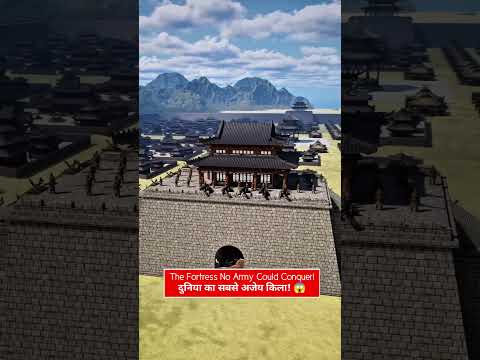
The Greatest Fortress Ever Built! 🏰⚔️ #History #Fortress #AncientChina #Shanhaiguan #MilitaryHistory

Exploring the Great Wall of China in Shanhaiguan 🇨🇳 | Sab Se Unique Hissa? 😱
![[Origin of History ④] Shanhaiguan, the only place where the sea and the Great Wall meet ~ Is this...](https://img.youtube.com/vi/icef7NpIqXc/hqdefault.jpg)
[Origin of History ④] Shanhaiguan, the only place where the sea and the Great Wall meet ~ Is this...
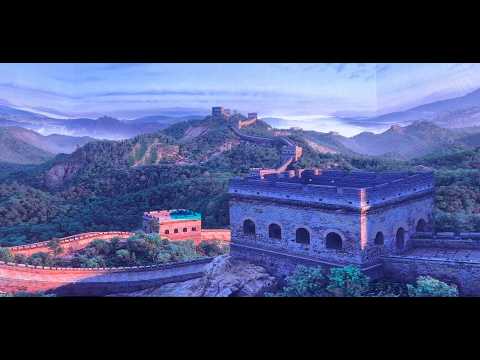
China's Great Wall National Museum at Shanhaiguan
Details
- Location Text
- (山海关)