Ruzhany Palace

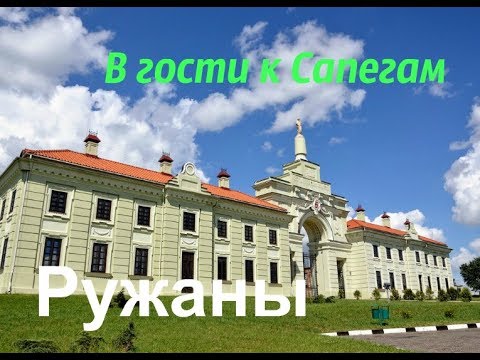
Ruzhany Palace is a historic ruined palace compound located in the village of Ruzhany within the Pruzhany District of the Brest Region in western Belarus. Originally established as a castle for Lew Sapieha in the late 16th century, the initial structure was completed in 1602 and served as the primary seat of the senior line of the powerful Sapieha noble family for several centuries. The original fortress was destroyed in 1700 during internecine strife within the Grand Duchy of Lithuania. In the 1770s, Aleksander Michał Sapieha commissioned a grand reconstruction, transforming the site into a magnificent Neoclassical residence designed by the Saxon architect Jan Samuel Becker. This renovation included an English park landscape, a theatre, an orangery, and various outbuildings, marking the estate's peak as a cultural hub before work suspended following a royal visit in 1784.
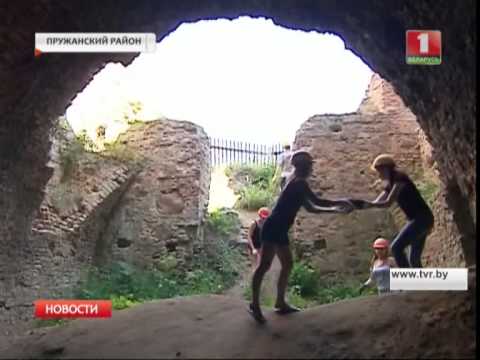
The palace's historical trajectory shifted dramatically after the November Uprising of 1831, when the Sapieha estates were nationalized and the complex was sold to operate as a textile mill and weaving factory. Tragically, an accidental fire started by factory workers in 1914 caused severe damage to the main building. Although partial restoration efforts were undertaken in 1930, the structure fell into ruin again due to the devastation of the Second World War. For decades, the site remained a testament to this turbulent history, with only the ornate entrance gate and some outbuildings surviving relatively intact amidst the decay of the main residential wings.
Currently, the Ruzhany Palace is undergoing systematic reconstruction aimed at restoring its former glory. Significant progress has already been made, with the elaborate palace gate and entry building successfully restored to their original splendor. While the main palace structures remain largely in a ruined state, ongoing preservation efforts seek to stabilize and rebuild the complex as a key cultural landmark. The site stands today as a significant example of Neoclassical architecture in Belarus and serves as a poignant reminder of the rise and fall of the Sapieha dynasty, attracting visitors interested in the region's rich aristocratic heritage and architectural history.