Rozafa Castle

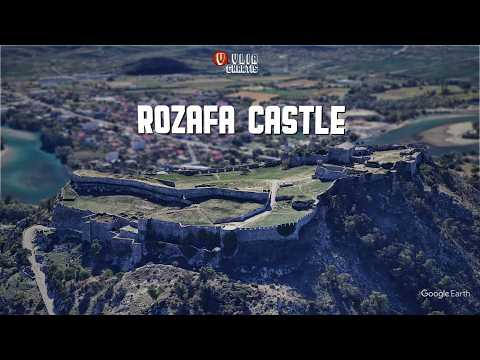
Rozafa Castle, situated in Shkodër, northwestern Albania, rises 130 meters above sea level on a rocky hill bordered by the Buna and Drin rivers. Its earliest fortifications date to the 4th–3rd century BCE, serving as the citadel of the Illyrian city of Skodra under the Labeatae tribe, notably during King Gentius’s reign. Constructed from limestone and brick, the castle reflects centuries of layered history, with archaeological evidence showing contributions from Roman, Byzantine, Venetian, and Ottoman periods. Excavations have uncovered structures like a Venetian cistern, Ottoman-era roads, and a 14th–15th century cemetery near the Lead Mosque, highlighting its role as a strategic military and urban center across millennia.
Today, the castle is a well-preserved public historical site owned by Albania, open to visitors for its panoramic views and cultural significance. It remains a symbol of Shkodër’s ancient heritage, with ongoing research shedding light on its evolving urban layout and the diverse civilizations that shaped it. As one of Albania’s oldest and most historically rich landmarks, Rozafa Castle continues to draw interest for its tangible connections to Illyrian, medieval, and Ottoman eras.
Videos

Details
- Notes
- Located on a hilltop and surrounded by the rivers Buna and Drin, the castle has been settled since antiquity. It was an Illyrian stronghold until it was captured by the Romans in 167 BC.
- Condition
- ruin
- Year Built
- 4th–3rd century BC
- Location Text
- Shkodër''''