Rangana Fort

Rangana Fort, also known as Prasiddhagad, is a historic hill fort situated on the Sahyadri mountain ridge in the Bhudargad taluka of Kolhapur district, Maharashtra. Standing at an elevation of 2,227 feet, the structure marks the boundary between the Kolhapur and Sindhudurg districts. Constructed in the 12th century by King Bhoj-II of the Shilahara dynasty, the fort was built using laterite stone, a material common to the region's military architecture. Today, the site exists as ruins under the ownership of the Government of India. Despite its dilapidated condition, it remains open to the public and is classified as a medium-grade hiking destination for trekkers exploring the Western Ghats.
The fortress holds significant historical value due to its turbulent past involving various regional powers. After its initial construction, it was captured by the Bahmani Sultanate in 1470 and subsequently controlled by the Sawant rulers and the Adil Shahi dynasty. In 1664, the Maratha king Shivaji seized the fort through a series of surprise attacks against combined Bijapur forces. Notably, his mother Jijabai led a special campaign to secure the location in August 1666. The fort remained under the Karvir kings until the British East India Company assumed control in 1818, marking the end of indigenous rule over the stronghold.
Visitors to the site can explore several remnants of its cultural and religious heritage. On the approach from Patgaon village lies a pilgrimage ashram dedicated to Mouni Maharaj, where Shivaji reportedly sought blessings before his southern conquests in 1676. The fort complex itself features two ancient gates, a large lake, and temples dedicated to Goddess Bhadrakali and Goddess Ranganai Devi. These structures, alongside the panoramic views from the ridge, make Rangana Fort a notable landmark for both history enthusiasts and nature lovers traveling through western India.
Videos
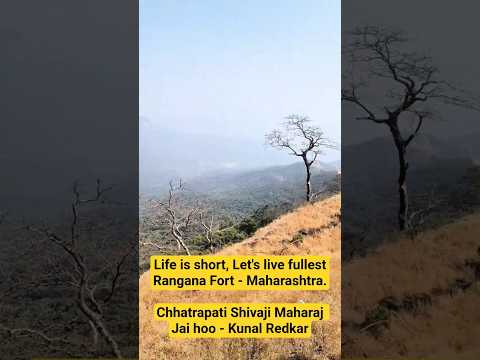
Rangana Fort: The Most Isolated Treks in Maharashtra
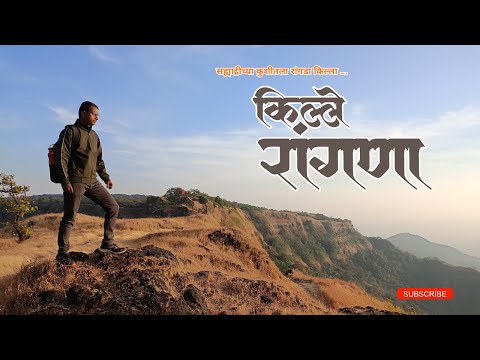
Rangana Killa | रांगणा किल्ला | History, Travel Vlog & Trekking Guide | #vlog #maharashtraforts
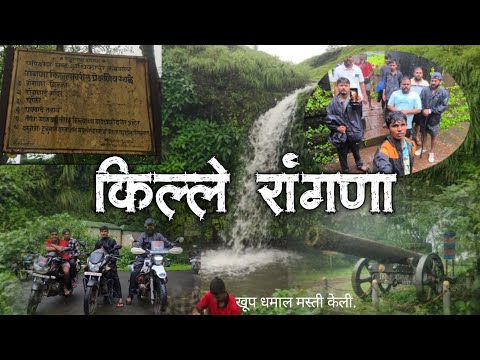
किल्ले रांगणा || Discovering Rangana Fort: Secrets of Ancient Architecture & Stunning Views 🏰 #vlog

Lost in the Fog | Rangana Fort Cinematic Travel Film | Maharashtra