Plovdiv fortifications

Plovdiv is not a single castle but rather the second-largest city in Bulgaria, renowned for its extensive ancient fortifications that have protected the settlement for millennia. Located in the Northern Thrace region on the banks of the Maritsa River, the city is famously built upon seven hills, which served as natural defensive points. While a specific single year of construction for the entire fortification system does not exist, the defensive walls and towers evolved continuously from the Thracian era through the Roman, Byzantine, and Ottoman periods. The architectural style is a complex amalgamation of these successive civilizations, featuring massive stone blocks from Roman times alongside later medieval reinforcements, reflecting the strategic military importance of the site throughout history.
The historical significance of the Plovdiv fortifications lies in their role protecting Philippopolis, a major urban center in antiquity. The site has witnessed countless sieges and conquests, serving as a crucial stronghold for various empires including Rome, Bulgaria, and the Ottomans. Today, the condition of these ancient defenses varies, with significant sections preserved as archaeological sites within the modern city. Notable remnants include parts of the Roman walls and gates, which are integrated into the vibrant Old Town district. These ruins stand as testaments to the city's motto, Ancient and Eternal, drawing tourists who walk among layers of history visible in the exposed stonework.
Currently, the remaining fortification structures function primarily as cultural landmarks and tourist attractions rather than military installations. They are central to the identity of Plovdiv, contributing to its status as a European Capital of Culture. Visitors can explore the Nebet Tepe archaeological site, where the earliest fortifications dating back to the fourth millennium BC are visible. This area offers a unique glimpse into the evolution of defensive architecture over thousands of years. The preservation of these sites ensures that the legacy of the city's protective barriers remains a defining feature of the urban landscape, bridging the gap between ancient warfare and modern heritage tourism.
Videos
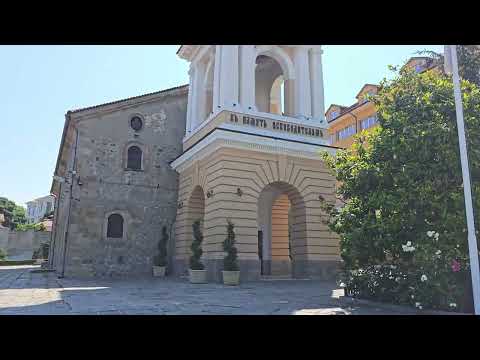
Plovdiv Walking Tour: Ancient Fortress & Old Town Exploration | Your Plovdiv City Guide!

🇧🇬 Plovdiv Day Walk 4K | Historic Streets & Local Life in Bulgaria

Plovdiv, Bulgaria 🇧🇬 - Europe's Oldest City Surprised Me | Travel Guide & Hidden Gems

Plovdiv Unveiled: A Captivating Walking Tour Through Bulgaria's Hidden Gem 4K UHD
Details
- Notes
- The fortifications of Plovdiv were centred on Nebet Tepe, one of the seven hills of the city. The earliest settlement is dated back to the 6th millennium BC but the remains of the fortifications are mainly from the Roman and medieval periods. Partially preserved remains of the defensive system are Hisar Kapia and the Eastern gate of Philippopolis.