Mir Castle Complex

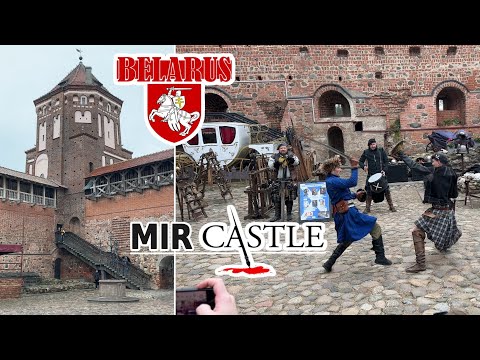
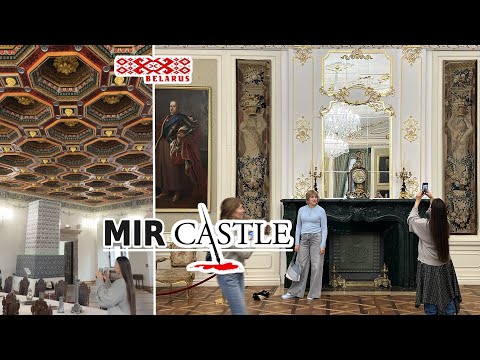
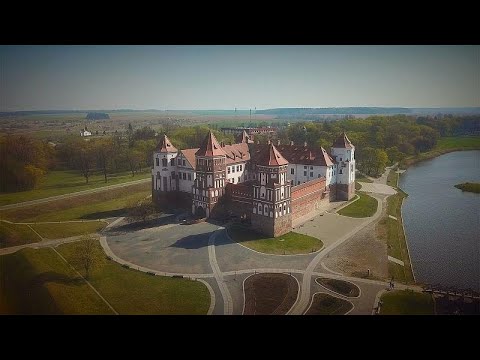
The Mir Castle Complex is a historic fortified structure located in the town of Mir within the Grodno Oblast of Belarus. Constructed in the early 16th century, the castle was originally commissioned by Duke Juryj Illinič and designed in the distinctive Brick Gothic style. It stands as one of the few remaining architectural monuments from the era of the Polish–Lithuanian Commonwealth in the region. The site features a square courtyard surrounded by five towers and thick defensive walls. In 1568, ownership passed to the influential Radziwiłł family, who significantly altered the structure by adding a stately three-story residence decorated with Renaissance elements such as limestone portals, balconies, and porches, creating a unique blend of Gothic and Renaissance aesthetics.
Throughout its history, the castle has witnessed dramatic changes in ownership and function. After falling into disrepair following the Battle of Mir in 1812, it was eventually acquired by the Svyatopolk-Mirsky family in 1895, who initiated extensive reconstruction efforts. During World War II, the complex suffered a dark period when occupying German forces converted the grounds into a ghetto for the local Jewish population before their tragic extermination. Following the war, the site served as a housing facility for several decades, which caused further structural damage. Today, the Mir Castle Complex is recognized as a UNESCO World Heritage Site, listed in 2000 for its cultural significance and architectural value. It currently operates as a museum and major tourist attraction, preserving the layered history of Belarusian nobility and conflict.