Mezek Fortress castle

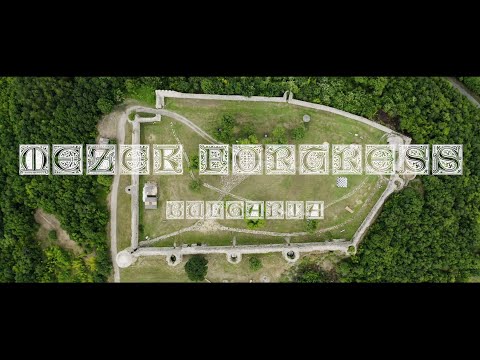
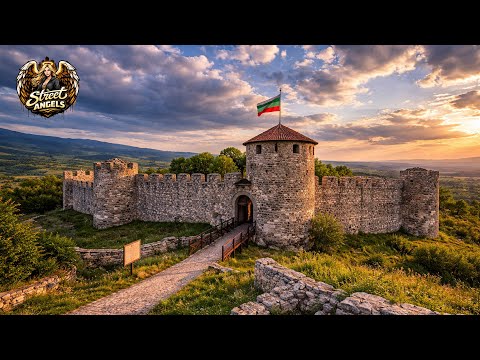
Mezek Fortress is a well-preserved medieval stronghold located west of the village of Mezek in southeastern Bulgaria. Situated on an elongated terrace at the foothills of the Gorata ridge, part of the northeastern Rhodope Mountains, the structure commands a strategic position overlooking the lands between the Maritsa and Arda rivers. Construction of the fortress began in the 11th century and continued into the 12th century. Historians have identified the site as Neoutzikon, a location frequently mentioned in Byzantine chronicles. Its primary function was to serve as a border guard post, protecting the frontier regions during periods of geopolitical tension in the Balkans.
The fortress holds significant historical value due to its long period of active use under different empires. It was controlled sequentially by the Byzantine Empire and the Second Bulgarian Empire before falling to the Ottoman Turks in the second half of the 14th century. Today, Mezek Fortress is recognized as the best-preserved fortification in the eastern Rhodope Mountains. It holds a distinguished place on the list of the 100 Tourist Sites of Bulgaria, managed by the Bulgarian Tourist Union, making it a key destination for visitors interested in medieval military architecture and regional history.
In addition to the fortress itself, the immediate area offers further archaeological interest. Located approximately 600 meters east of the stronghold is the Mezek Tomb, which stands as the largest Thracian beehive tomb discovered in Bulgaria. This proximity creates a unique historical landscape that spans from ancient Thracian civilization through the medieval era. The combination of the intact fortress walls and the nearby ancient tomb provides a comprehensive view of the continuous human presence and strategic importance of this specific location in the Rhodope region over many centuries.
Videos

Details
- Notes
- Mezek Fortress, 6.5 in area, is among the best preserved Bulgarian medieval castles. It dates to the 11th century. Along with the Thracian tombs located nearby, it was studied by a team under archaeologist Bogdan Filov in 1931–1932. The castle has nine towers, five of which lie at the vulnerable south wall. The fortress was built out of stone, with two decorative lines of bricks on the outside. It suffered some destruction around 1900, when stones from the fortress were used for the construction of Ottoman barracks in Svilengrad.