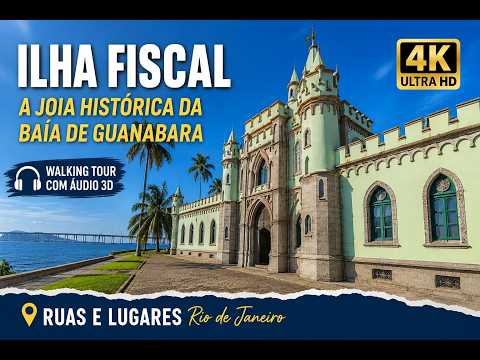
Ilha Fiscal

Ilha Fiscal, also known as Fiscal Island, is a small island located in Guanabara Bay, bordering the historic city center of Rio de Janeiro in southeastern Brazil. Originally named Rat Island by European settlers, it acquired its current name after serving as the headquarters for the customs department during the nineteenth century when Rio was the capital of the Brazilian Empire. The island is dominated by a striking Neo-Gothic palace constructed under the reign of Emperor Pedro II. This architectural gem was specifically built to house the customs offices that managed the bustling port activities of the era, replacing earlier structures on the site.
The island holds profound historical significance as the venue for the famous Fiscal Island Ball held on November 9, 1889. This lavish event is remembered as the last royal ball of the Brazilian Empire, taking place just days before the military coup that proclaimed the Republic. The gala honored a visiting Chilean delegation and featured an elite reception committee including prominent figures like the Viscount of Ouro Preto. Despite the opulence of the celebration, which lasted until sunrise with champagne and fine dining, the monarchy fell shortly thereafter, making the ball a poignant symbol of the end of an era in Brazilian history.
Today, Ilha Fiscal remains a notable landmark within Rio de Janeiro's harbor. While the provided text focuses primarily on its imperial past and architectural origins, the island continues to be recognized for its unique Neo-Gothic style and its role in the nation's transition from empire to republic. The palace that occupies most of the island stands as a testament to the grandeur of the Pedro II period, preserving the memory of the final moments of imperial Brazil within the scenic backdrop of Guanabara Bay.