Hutovo Fortress

Hutovo Fortress, also known as Hadžibegov Grad or the Hajji bey fort, is a historic military structure located in the municipality of Neum, Bosnia and Herzegovina. Situated southwest of the village of Hutovo and below Žaba mountain, the fortress occupies a strategic hilltop overlooking the Prešjeci pass. This vantage point historically allowed it to monitor and control salt caravans traveling from Ston into the inland regions. Constructed primarily of limestone, the site's earliest recorded mention dates back to June 28, 1525, though it served as an active fortification until the late nineteenth century.
The fortress is deeply intertwined with the Rizvanbegović noble family, most notably Hajji Mehmed bey, who controlled the site during the Ottoman period between 1802 and 1832. Its operational history concluded violently during the uprising of 1875 to 1878, when the structure was torched and subsequently abandoned. Today, the fortress exists in a ruined condition, yet it retains significant cultural value. It has been officially designated as a National Monument of Bosnia and Herzegovina by the Commission to Preserve National Monuments, recognized as a Category II cultural and historical property since May 2004.
Beyond its military function, the site holds poignant historical layers, including a monument dedicated to Catholic victims within its grounds. The name Hadžibegov Grad specifically honors the last lord of the fortress, preserving the memory of its final era of habitation before destruction. Although now a ruin, the remaining limestone walls and towers stand as a testament to the region's complex geopolitical past and the importance of trade route security in Ottoman Bosnia. The site remains protected under state law, ensuring the preservation of these historic remnants for future study and visitation.
Videos



Details
- Location Text
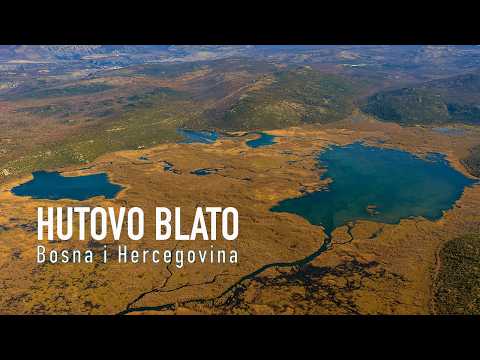
- Hutovo Blato